Lack of Reading Among Cultural and Artistic Activists Is Palpable; We Are Condemned

TEHRAN – A recent survey highlights a significant and concerning decline in reading habits among cultural and artistic activists in Iran. Experts warn that this trend could have far-reaching negative consequences for the nation’s intellectual and creative landscape, leading to a sense of intellectual impoverishment.
Understanding the Decline
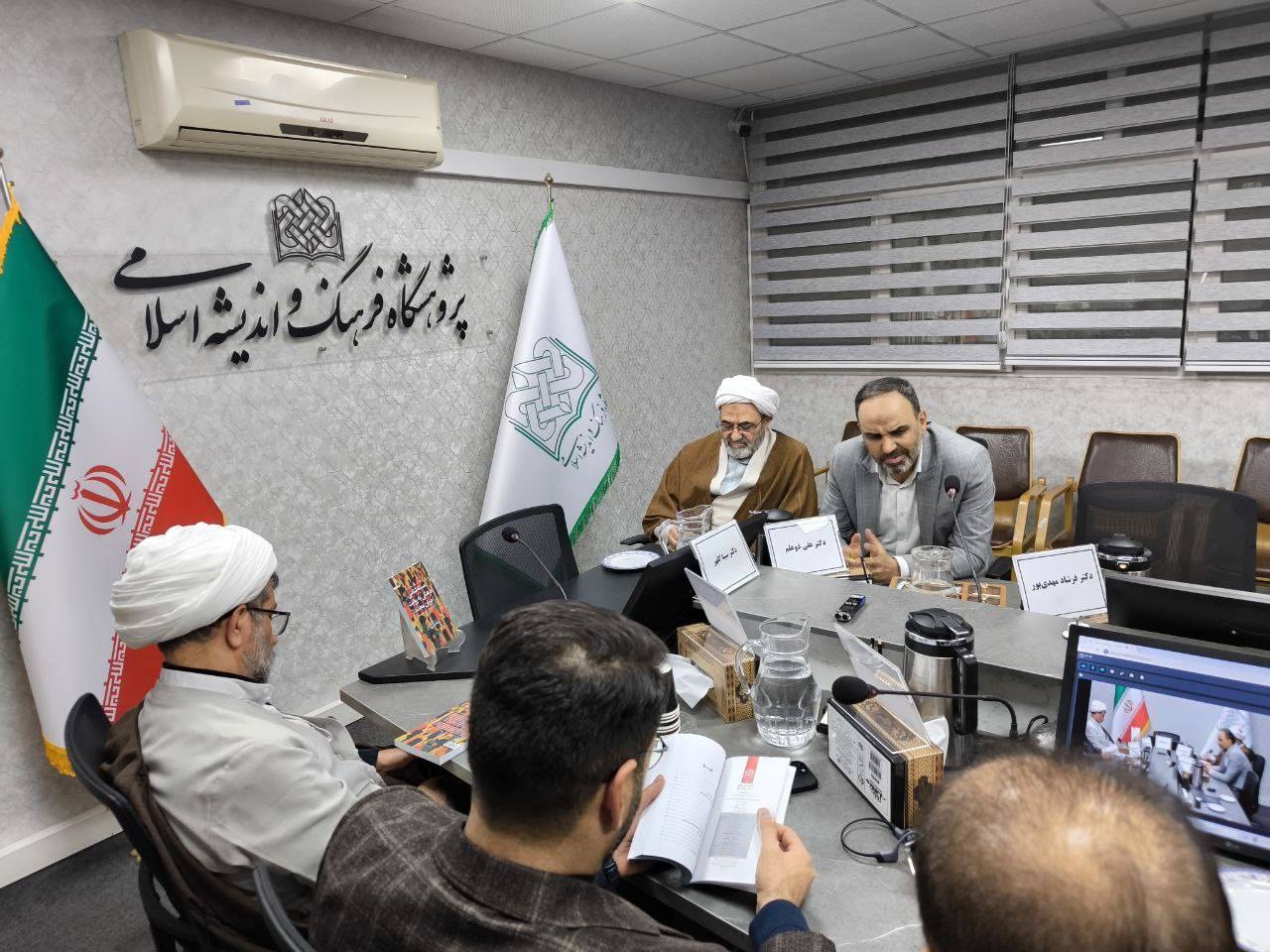
During a seminar held at the Iran Book News Agency (IBNA) headquarters, prominent literary critics and cultural researchers discussed various factors contributing to this alarming phenomenon. Speakers pointed to the pervasive influence of social media, the rapid consumption of short-form digital content, and the decreased emphasis on in-depth analytical reading as primary culprits.
“It is a paradox that those who are expected to shape and enrich our culture are themselves moving away from its fundamental building blocks – books and sustained reading,” stated Dr. Ali Zand, a sociologist specializing in cultural studies. “This intellectual drought is a grave concern that requires immediate and comprehensive interventions.”
The discussion also touched upon the economic pressures faced by artists and cultural workers, which often leave little time or mental space for extensive reading outside of their immediate professional needs. However, panelists emphasized that a deeper engagement with literature and scholarly works is essential for fostering innovation and critical thinking within these fields.
Consequences and Recommendations
The experts collectively agreed that the implications of this decline are dire. A reduction in comprehensive reading among cultural leaders can lead to a superficial understanding of complex issues, a lack of historical perspective, and a potential stagnation in artistic and intellectual output. It risks disconnecting cultural production from its rich theoretical and historical foundations.
Recommendations put forth included:
- Implementing specialized reading programs and book clubs tailored for cultural and artistic professionals.
- Encouraging publishers and cultural institutions to offer more accessible and diverse reading materials.
- Promoting a culture of intellectual discourse that values deep engagement with texts over superficial content consumption.
- Utilizing digital platforms to make scholarly articles and literary works more readily available, while also educating users on the benefits of focused reading.
Ultimately, the consensus was that reversing this trend is not merely an academic exercise but a national imperative. The intellectual vitality of a society, it was argued, is inextricably linked to the reading habits of its most influential cultural voices.