Muhammad (PBUH) Based on the Oldest Sources

A recent scholarly review highlights the importance of relying on the oldest and most authentic sources when studying the life and teachings of Prophet Muhammad (PBUH). This approach ensures a deeper understanding of the foundations of Islamic history and theology.
The discussion emphasizes classical works such as Ibn Hisham’s “Sirat Rasul Allah,” which is considered a seminal text based on Ibn Ishaq’s earlier writings. These early biographical accounts provide crucial insights into the Prophet’s life, campaigns, and interactions with various communities.
Challenges in Source Criticism
Academics involved in the study often face the challenge of distinguishing reliable narratives from later additions or less credible accounts. They advocate for rigorous source criticism and comparison across multiple ancient texts to establish historical accuracy.
- Primary Sources: Emphasis on texts dating back to the first two centuries of Islam.
- Authors: Key figures include Ibn Ishaq, Ibn Hisham, and Al-Tabari, whose comprehensive histories are invaluable.
- Methodology: Importance of understanding the context and methodology of early Islamic historians.
The article concludes by stressing that scholarly endeavors focusing on these foundational texts contribute significantly to contemporary Islamic studies and foster an accurate portrayal of the Prophet’s legacy.
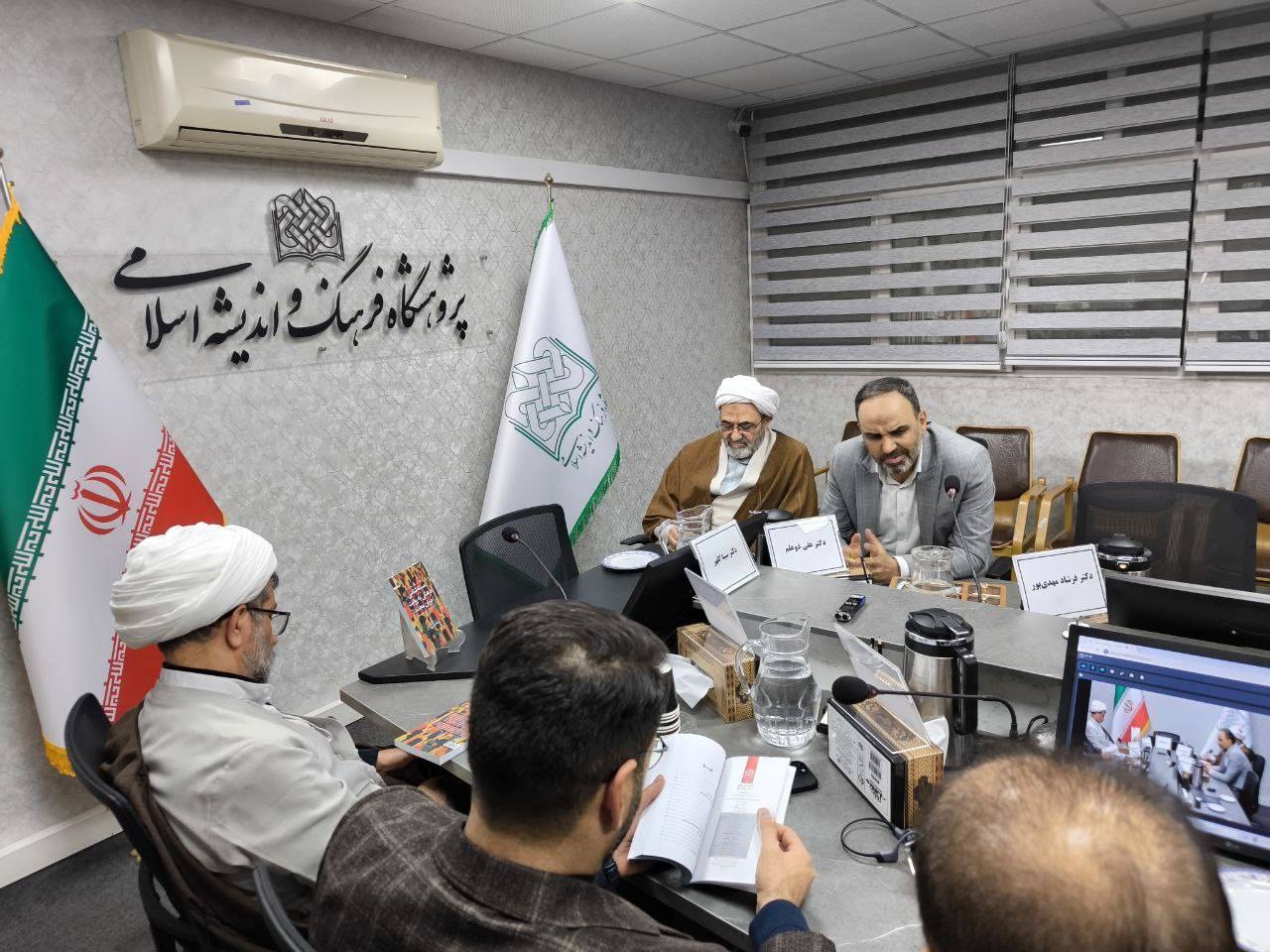
This discussion often takes place in various academic journals and is supported by publications from institutions dedicated to Islamic research.