Critique and Review of the Book ‘Caucasus in the Age of Revolution’ at Bukhara Tuesdays
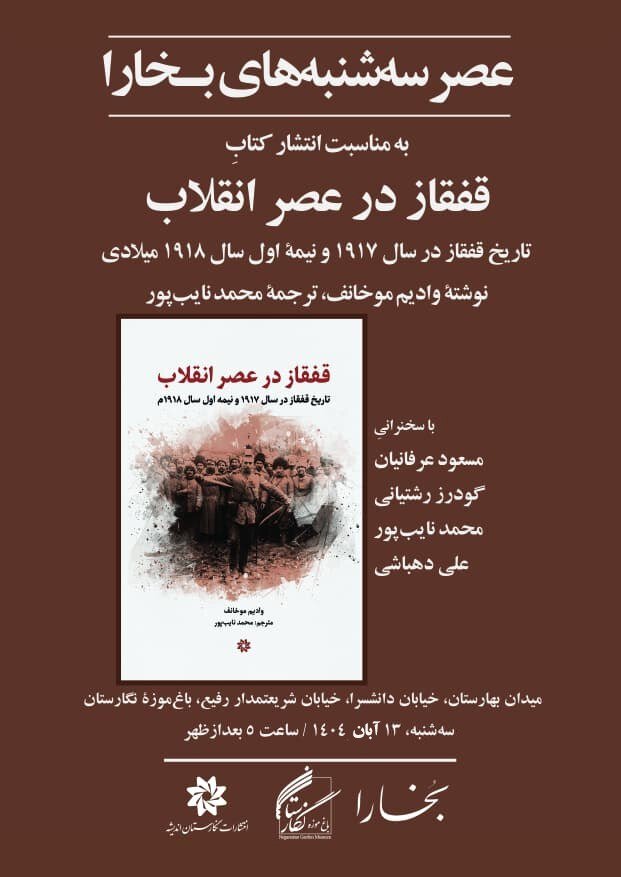
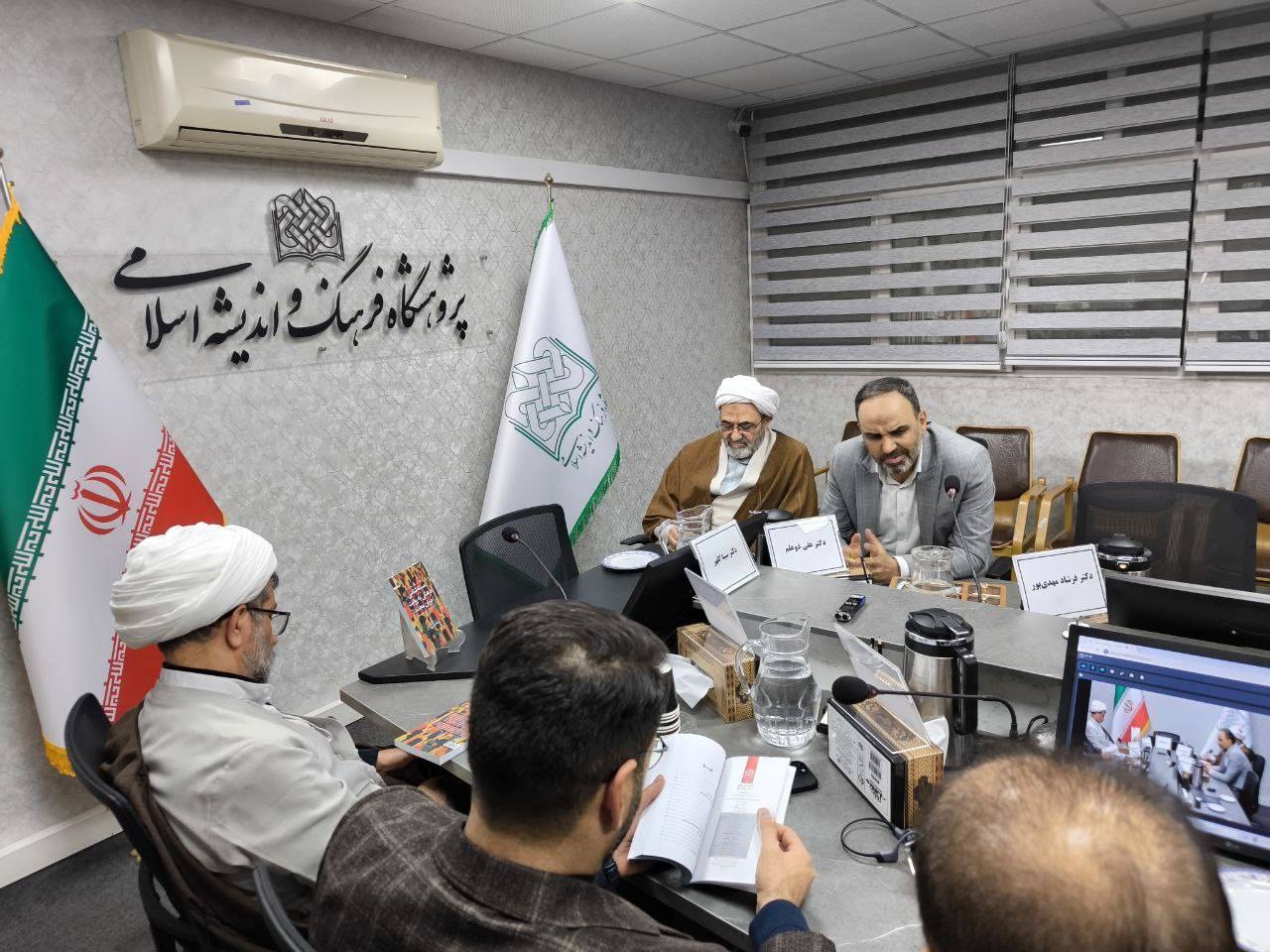
The 117th session of “Bukhara Tuesdays,” dedicated to the critique and review of Ahmad Kasravi’s book “Caucasus in the Age of Revolution,” was held on Tuesday, January 10, 2023. According to Khabaronline, this session, held in collaboration with the Institute of Persian Language and Literature of the Iranian Academy of Sciences, focused on one of Kasravi’s significant historical works.
Opening Remarks and Historical Context
The meeting began with Alireza Kamari, the secretary of Bukhara Tuesdays, providing a report on the activities of these sessions over the past six years. He emphasized the importance of intellectual gatherings in fostering academic discourse and introducing valuable works of Iranian thought and history. Kamari highlighted Kasravi’s unique position in Iranian historiography and his efforts to document critical periods of the nation’s past.
Following him, Dr. Ehsan Eshraghi, a prominent historian and scholar, took the podium. Dr. Eshraghi delved into Kasravi’s methodology in writing “Caucasus in the Age of Revolution.” He explained that Kasravi approached history not merely as a chronicler of events, but as a critical analyst seeking to uncover the underlying causes and implications of historical developments. Eshraghi noted Kasravi’s meticulous research and his courage in challenging established narratives.
Insights into Kasravi’s Work
Dr. Mohammad Ghasemi, another distinguished scholar, then shared his insights into the book. He focused on the specific period covered by Kasravi, which includes the tumultuous years of the Russian Revolution and its impact on the Caucasus region. Ghasemi underscored Kasravi’s ability to navigate complex political landscapes and ethnic conflicts, presenting a comprehensive yet nuanced picture of the era. He particularly praised Kasravi’s use of primary sources and his efforts to provide an objective account, free from partisan biases.
The speakers discussed how “Caucasus in the Age of Revolution” remains relevant today, offering valuable lessons for understanding geopolitical shifts and the dynamics of revolutionary movements. They emphasized that Kasravi’s work serves as a testament to diligent historical inquiry and intellectual independence.
The session concluded with a question-and-answer segment, allowing attendees to engage with the speakers on various aspects of Kasravi’s life, his other works, and the broader implications of his historical analysis. The event reaffirmed the enduring legacy of Ahmad Kasravi as a towering figure in Iranian intellectual history.