Audiobook Production Requires a Legal Structure
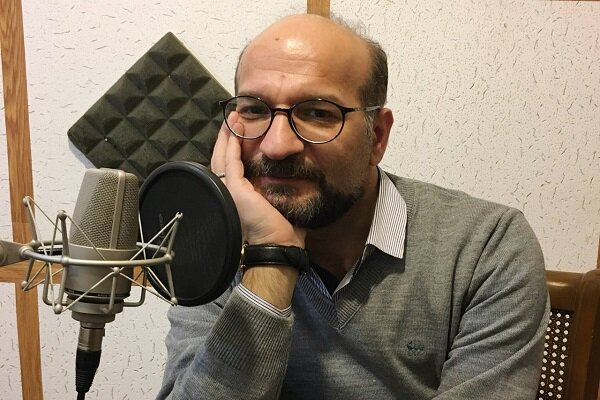
In a note, Seyyed Abbas Hosseini-Nik, director of the Cultural Association of Academic Book Publishers, has examined the legal requirements for the production and publication of audiobooks.
The full text of this note follows:
With the development of new technologies and the creation of diverse cultural and artistic content, the need to formulate new laws and regulations is always felt. Currently, one of the areas that has seen significant growth in content production and has been well-received is the production and publication of audiobooks. This nascent industry in our country, like other sectors, faces issues and problems, the most important of which are legal matters.
Currently, the most important law that protects the rights of creators and defines the general framework of their relationships with each other and with the users of their works is the “Law for the Protection of Authors, Composers, and Artists’ Rights,” passed in 1348 [1969].
Although this law does not explicitly mention audio or digital books, given its general and comprehensive nature, the relationships among actors in the audiobook field can be analyzed and examined within its framework. In other words, until a new law appropriate for this field is passed, we are compelled to enforce the current law.
In the production and publication of an audiobook, several actors and players are involved, the most important of whom are: the author or owner of the written work, the publisher of the written work, the narrator or reader, the audio publisher, and the platform or distributor of the audiobook.
Each of these actors has rights and obligations that must be specified through clear and precise contracts. For example, in the contract with the author of the written book, permission to produce and publish the audio version of the book must be obtained from them clearly and unambiguously. Sometimes this permission is granted by the author to the publisher in the publishing contract for the written book, and sometimes the author contracts directly with the audio publisher.
Similarly, in the contract with the narrator or reader, the duration and scope of the use of their voice for the audiobook must be precisely specified to prevent future disputes. The audio publisher must also clearly define the rights and obligations of both parties in its contract with the distribution platform.
It seems the best solution in the current situation is for the Ministry of Culture and Islamic Guidance to formulate a codified legal structure that all actors in this field are required to follow. This structure can be prepared in the form of a guideline or executive directive and communicated to the industry players.
Until this legal structure takes shape, the audiobook sector will face disorder and chaos, and consequently, its growth and development will be hindered.