The Book; A Child’s Last Refuge in the Digital World
Service for Children and Youth, Iran Book News Agency (IBNA) – Mohammad Mahdi Seyyednaseri, Jurist, University Lecturer, and Researcher in International Children’s Rights: In the contemporary digital world, Iranian children grow up in a contradictory situation: on one hand, their access to cyberspace faces structural limitations and extensive filtering; on the other hand, their educational, communication, and identity needs are increasingly tied to the online environment. The result of this gap is not ‘immunization’ of children, but rather pushing them to use tools to bypass limitations; tools that effectively remove children from any supervision, protection, and legal support framework. In this sense, the issue of filter bypassers is not just a technical or security matter, but directly linked to children’s rights, mental health, digital security, and the society’s cultural future. The reality is that restrictive policies, when implemented without cultural, educational, and content alternatives, intensify harm instead of reducing it. A child or teenager forced to use a filter bypasser for school homework, entertainment, or peer communication enters a space that not only lacks age and content filtering, but also exposes them to violent, sexual, extremist content, and security risks. This situation is a clear instance of ‘risk transfer’ from the policy level to the child’s daily life. Meanwhile, one of the less visible but profound consequences of this situation is the continuous weakening of study culture and reading. When a child’s mental energy is spent finding ways to circumvent limitations, rapid searching, and consuming scattered, superficial content, books gradually disappear from their cultural life cycle. Official statistics and internal studies show a worrisome decrease in non-curricular reading among children and teenagers in Iran, while the use of unofficial internet access tools has become common even at young ages. This synchronicity is not accidental, but a direct result of the absence of alternative cultural policies.
In this framework, a book is not just a traditional educational tool or entertainment, but a ‘protective mechanism’ for a child’s cognitive, emotional, and moral development. Regular reading allows children to gradually and deeply understand concepts, develop their imagination and critical thinking, and build a meaningful connection with the surrounding world. In contrast, the rapid and non-stop consumption of digital content, especially in the uncontrolled space of filter bypassers, habituates a child’s mind to instant reactions, scattered information, and superficial judgments. From a mental health perspective too, the difference between these two paths is significant. Multiple studies have shown that excessive dependence on cyberspace is associated with increased anxiety, attention deficit, social isolation, and reduced psychological resilience in children. In contrast, regular reading not only strengthens focus and mental calm but also allows children to better understand and manage their emotions. In other words, a book can play the role of a ‘cognitive refuge’ against digital chaos.
However, one cannot expect children to choose books as an attractive alternative in a policy and economic vacuum. Multiple structural obstacles, from the high price of children’s and teenagers’ books to weaknesses in distribution, unappealing educational content, and the lack of connection between formal education and reading culture, have conspired to distance books from children’s daily lives. In such circumstances, it is natural for the digital space, however dangerous, to appear more attractive. Therefore, a rational approach to the issue of filter bypassers requires changing the perspective. Instead of focusing solely on prevention and blocking, there must be serious investment in ‘cultural substitution.’ Creating creative, visual, and interactive books suitable for a child’s digital life, developing affordable public and digital libraries, linking books with games, animations, and multimedia narratives, and active involvement of families and schools in creating reading habits are among the solutions that can gradually restore balance in favor of reading culture.
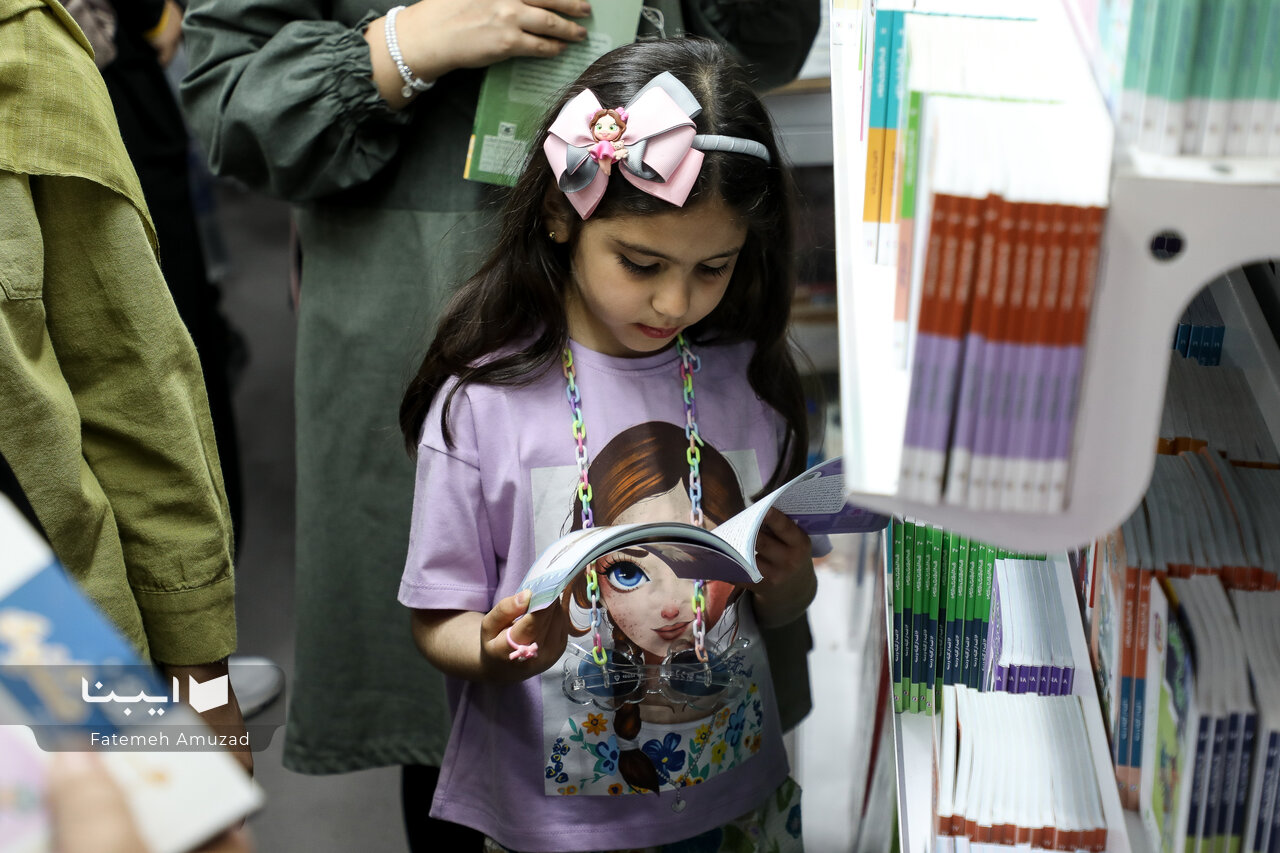
Ultimately, the main issue is not whether a child chooses ‘a book or a filter bypasser’; rather, it is what path society and policymakers offer them. If a child grows up in an environment where books, narratives, stories, and ideas are accessible, attractive, and affordable, their need for aimless wandering in the unsafe digital space will decrease. The future of children is built not with high walls of restriction, but with strong cultural bridges. A book, if properly understood and supported, can be one of the most important of these bridges.