A Case for Children’s Liberation Through Literature
According to the Iran Book News Agency (IBNA), quoting LitHub, children’s literature, despite its appearance, is always an arena for adult power. Madelyn Lynn-McKinley, an English author and literary critic, citing research by Joseph Zornado and Rebecca Sheldon, shows that children in literature often refer to a future that only adults can experience, and stories are shaped based on adult imaginations and desires, not the reality of childhood.
A classic example of this dominance is the story of “The Wild Child” in the works of the Brothers Grimm. The child in this story becomes ill due to rebellion against his mother, and even after death in the grave, he does not stop exercising his will. This image portrays childhood not as the beginning of life but as the end of a phase of dependence on parents.
This rebellion and independent will have been repeated many times in children’s literature; from the wild children “Mowgli” in The Jungle Book by Rudyard Kipling to “Tarzan” by Edgar Rice Burroughs. In these works, children, in the absence of parents or a natural environment, fall under the domination of adult power and racial and colonial ideologies. Frantz Fanon and Edward Said consider these stories examples of instilling cultural domination and racism that lead children toward incorrect identities.
Even in the final fantasy of Peter Pan and Neverland, the orphaned children, like Mowgli and Tarzan, are symbols of rebellious childhood, but their survival depends on adult power. To preserve his eternal childhood, Peter Pan needs a compulsive and domineering mother figure over Wendy and others; consequently, seemingly childish stories are exercises in adult power and domination.
In contrast, June Jordan, a poet and children’s book author, raises a fundamental question: “When we give children books, what do we have in mind?” She believes that writing “with children” rather than simply “for children” can be a sign of respect and hope for children’s empowerment. This type of literature teaches children to be active, inquisitive, and creative themselves, instead of simply consuming adult instructions.
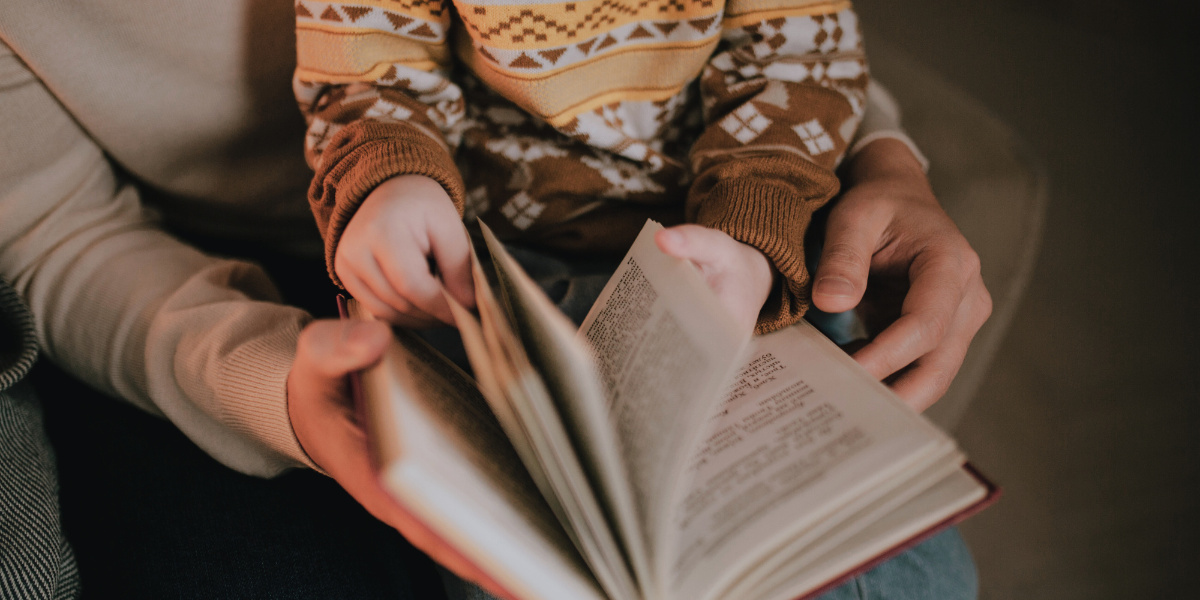
According to Lynn-McKinley, the liberation of childhood in literature is very limited, but by reading and discussing together with children, they can be encouraged to actively critique and think. Books, instead of imposing ready-made solutions, can provide an opportunity for participation, solidarity, and listening to children, empowering them not only against narratives of domination but also when facing the world outside the page.





