A look at the documentary film ‘I am Jalal Al-e Ahmad’/ Death of the author
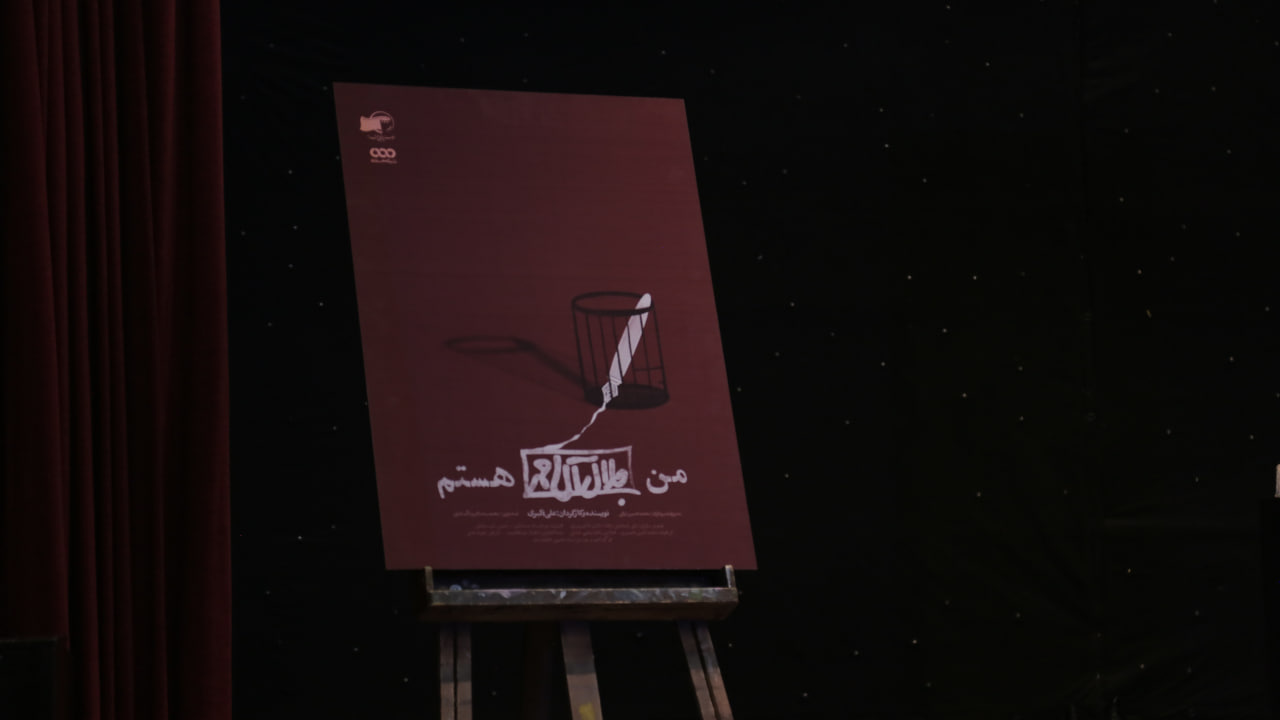
Service Honar, IBNA news agency – Roya Salimi; The documentary film ‘I am Jalal Al-e Ahmad’ directed by Ali Akbari was screened at the 19th International Cinema Verite Film Festival. Jalal Al-e Ahmad is considered one of the most controversial and discussed contemporary writers during his lifetime and after. He, having gone through many schools of thought and ideologies during different periods of his life, has always been subject to criticism and commentary by literary figures and politicians.
He, who himself caused suspicion regarding the death of some writers during the second Pahlavi era, also has the reasons for his sudden death examined with doubt in the documentary ‘I am Jalal Al-e Ahmad’. The film’s dialogue-centric narrative tries to include both opposing and supporting views on his death within its documentary frame.
Interviews with eyewitnesses and first-degree relatives who raise claims of his murder by SAVAK in the hours before Al-e Ahmad’s funeral, alongside historians and researchers who do not attribute the reasons for his sudden death to the Pahlavi government, make the film a place for a conflict of ideas.
Furthermore, this difference and conflict of opinions is also seen among those very first-degree relatives. Simin Daneshvar, as the most important eyewitness to Jalal Al-e Ahmad’s death, strongly denies the claim of his murder by SAVAK. She attributes the causes of this unfortunate death to intense nervous pressures and excessive smoking.
An allegation confirmed by some historians. But perhaps in another sense, the reasons for these pressures, such as being barred from teaching and having his works banned from publication, are the very reasons that led to his sudden death. However, what makes this conflict of opinions serious and worthy of investigation is his unusual nosebleed and swelling of part of his skull. A claim confirmed by family members present at the funeral but denied by Daneshvar.
The director tries not to lean towards either side of this pro-and-con dichotomy in his narration, and follows up on signs of such a condition after Jalal’s death by interviewing a specialist doctor. At the end of the film, the main cause of Jalal’s death is not definitively confirmed, but rather other questions are raised regarding this sudden death and Jalal Al-e Ahmad’s life under pressure during the repressive Pahlavi regime.
In addition to interviews with relatives and experts, the film also utilizes archival footage and reconstructions of characters and scenes, which make the narrative more engaging and captivating. A controversial subject like Jalal Al-e Ahmad finds meaning alongside his books and articles, and the trajectory of his intellectual and ideological transformations can be found within his works.
This trajectory is not neglected in the documentary either, and while following the narrative of the circumstances of his death and the serious ambiguities surrounding its sudden nature, his books are also given attention. Books that each strengthen the basis for the ambiguities of this topic given the sensitivity of their discussions, and each of them could be the reasons for the death of a dissenting and rebellious writer. But at the end of viewing the documentary, the ambiguities surrounding Jalal’s death still remain, and the director in his research does not reach a definite answer for these ambiguities.