Arabic language and literature owes a debt to Sibawayh and the literati of Fars
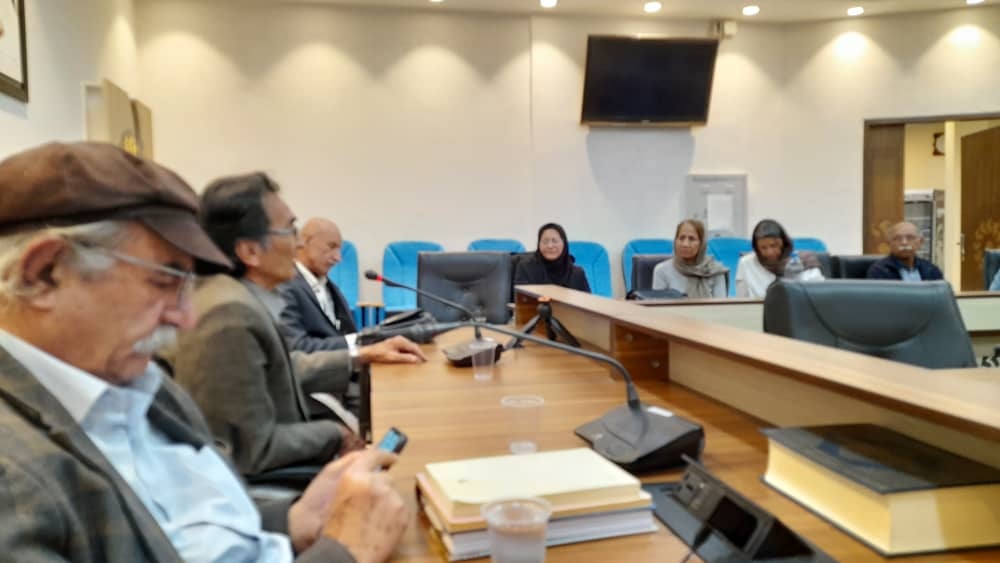
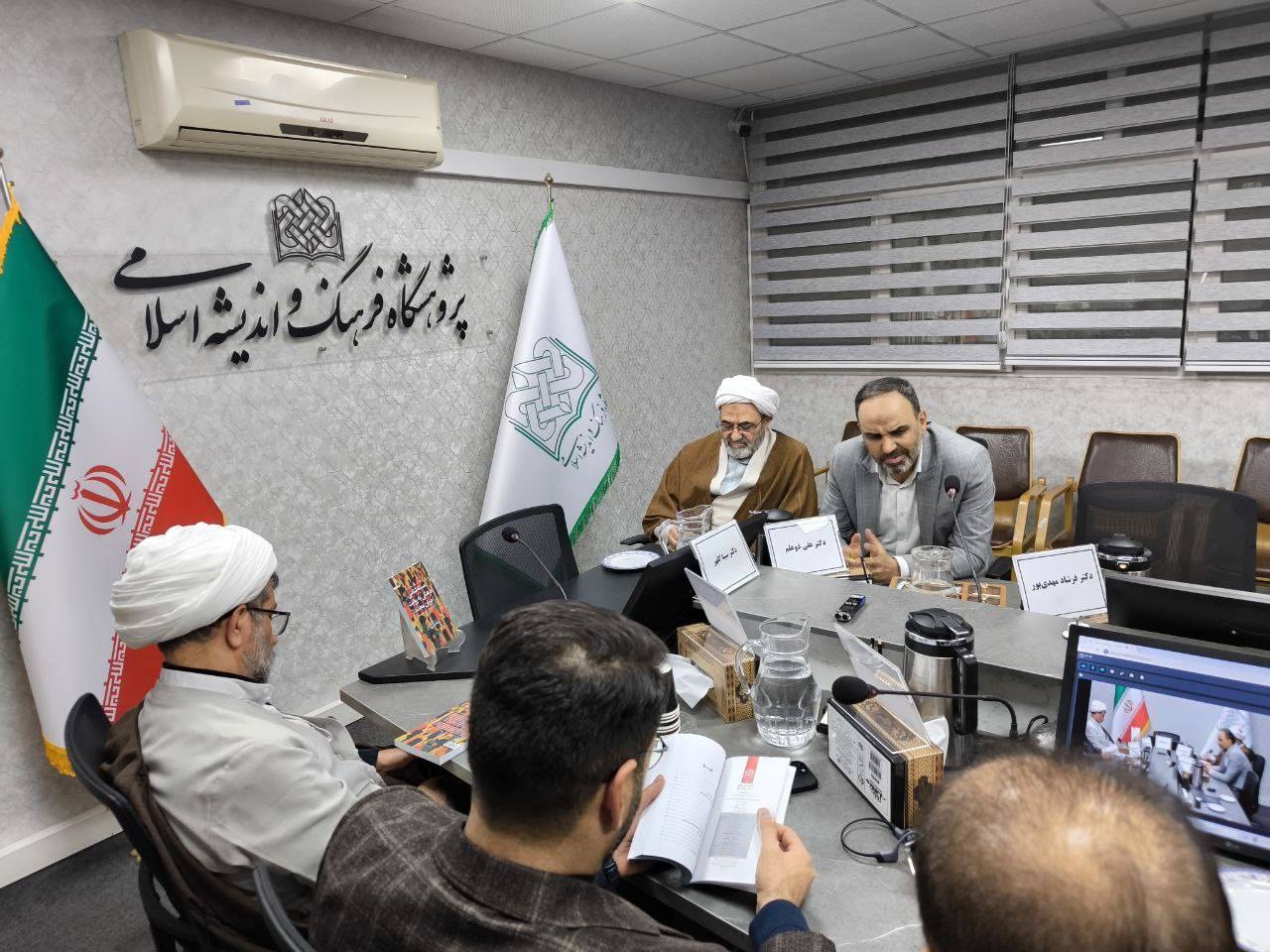
According to the Iran Book News Agency (IBNA) in Shiraz, Samad Mehmandoust emphasized the importance of consistency in text writing during this meeting, stating: “When a text moves from manuscript to typesetting and typing, adhering to specific principles is necessary to preserve the writing integrity and the author’s style.”
He added: “If a specific style, such as writing separated words, is used in a text, this approach must continue until the end of the text to keep the search consistent and cohesive.”
This author and editor from Shiraz identified paying attention to the appearance and form of writing as one of the important principles of editing and stated: “Today, there is a strong emphasis on consistent writing in texts.” He reminded that the Academy of Persian Language and Literature published a set of guidelines a few years ago as a basis for editors’ work, which is subject to official correction and change by the Academy every few years.
The author of the book “Yad-e Ba’zi Nafar” (Memories of Certain People) pointed out the basis of Persian orthography, stating: “The orthography guidelines for the Persian language were compiled based on the agreement and brainstorming of editors and professors of the Persian language and made available to writers as a reference. According to him, all Persian writers must adhere to a single orthography guideline, because language has sanctity, and the mother tongue, which is Persian, must be given a status equal to belief and conviction.”
The editor of Abdulali Dastgheib’s works further emphasized: “Language is the existence of a nation and has sanctity; therefore, preserving, developing, and promoting the national language is a common duty.”
In response to a question from Razzazadeh Kazerouni, an activist in the field of Shahnameh reading, about editing poetry, Mehmandoust said: “Poetry is fundamentally a kind of deviation from standard language and a type of creative deviation from common language rules, and in many cases, it does not fully comply with grammar. He added: Language must preserve its authenticity, but the art of poetry, which is the preeminent art, cannot necessarily be completely consistent with grammar.”
The author of the book “Shadi va Omid dar Divan-e Hafez” (Joy and Hope in the Divan of Hafez) stated in another part of his speech: “Arabs owe a debt to Iranians and literary figures from Fars in the fields of Arabic morphology, syntax, and grammar; figures like Sibawayh, Ibn Muqla al-Baydawi, Firuzabadi (author of ‘Al-Qamus’), and others have played a fundamental role in shaping the Arabic language and literature.”
This prominent contemporary editor concluded: “The Persian language is a meaningful language, full of nuances and subtleties, and of course, throughout history, it has also undergone transformations and developments in different periods and situations.”
Following Samad Mehmandoust’s remarks, Abdullah Ahar, a contemporary Shahnameh researcher, gave a speech about “Tragic Stories in Shahnameh,” and subsequently, the attending poets read poetry.