Javad Tabatabai’s Masterpiece in English / Javad Tabatabai’s version of ‘What Is Enlightenment?’
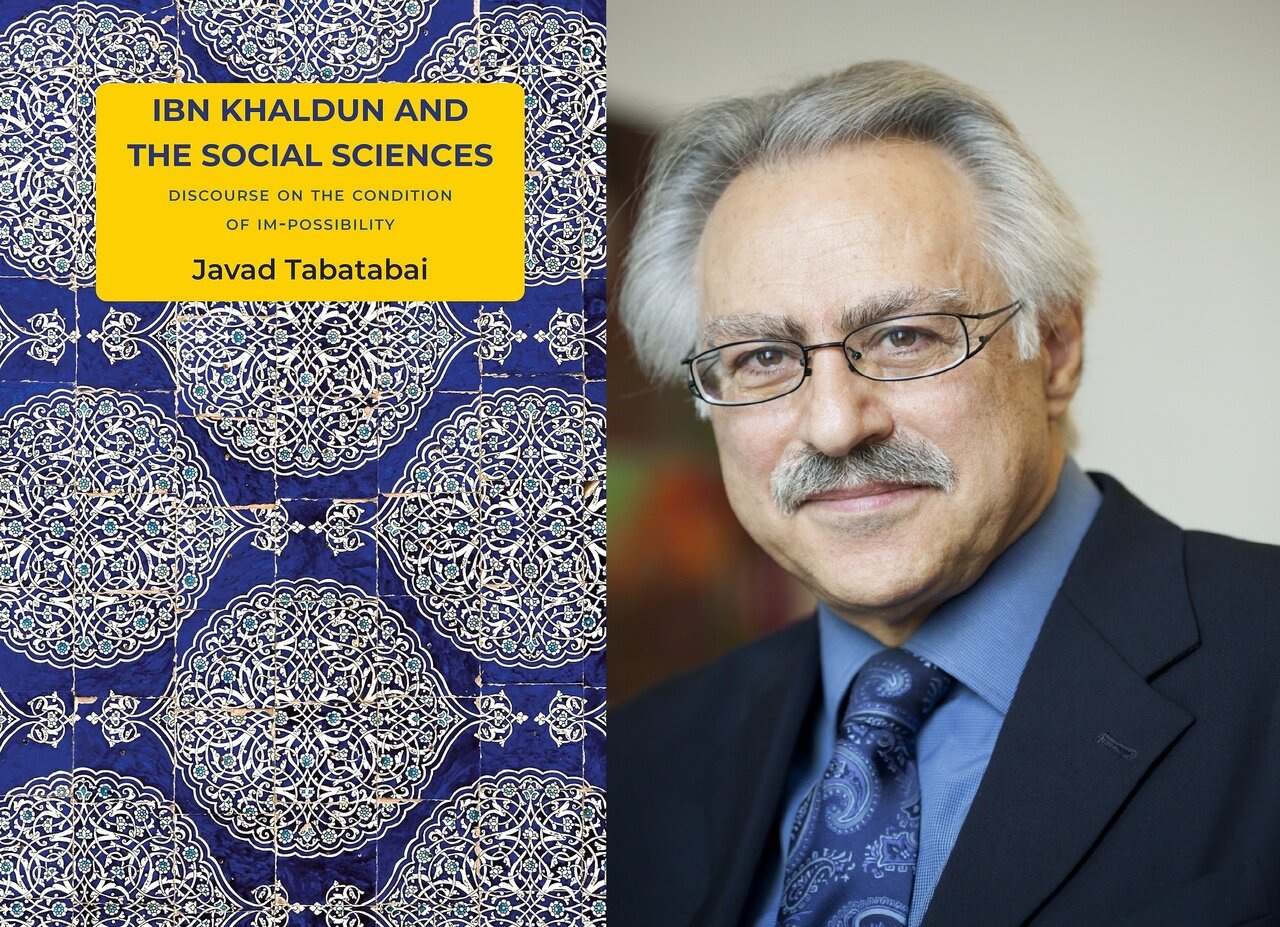
According to Khabaronline News Agency, quoting IBN service, Mohammad Hassan Abolhasani wrote: The book “Ibn Khaldun and Social Sciences: Discourse on the Condition of Impossibility” by Seyyed Javad Tabatabai has been published in English. This book, titled “Ibn Khaldun and the Social Sciences: Discourse on the Condition of Im-Possibility,” was translated by Philip Grant and released to English-speaking audiences by the prestigious publisher Polity in late 2024. Polity is a reputable English-language publisher that publishes the best new research in the humanities. A number of works by the greatest researchers in the current humanities have been presented by this publisher. Mr. Tabatabai’s book is part of the “Critical South Series” by this publisher. This collection also features works by authors from Africa and Latin America, with some focused on postcolonial studies and Latin American studies.
Catherine Malabou, a professor of philosophy at Kingston University, wrote about this work: “After Kant and Foucault, this is Javad Tabatabai’s version of ‘What Is Enlightenment?’. Tabatabai shows that Ibn Khaldun is considered the founder of social sciences in the fourteenth century, but despite his undeniable genius, he was not able to apply the necessary critical transformation that his scientific approach required. Tabatabai’s masterpiece, far beyond a book about Iran and a reflection on all its epistemological problems, offers a deep reflection on creative sources secretly hidden behind every condition of impossibility.”
****
The English translation of Seyyed Javad Tabatabai’s book “Ibn Khaldun and Social Sciences,” translated by Philip Grant, has been published in 414 pages by Polity publications. This is an important event in intercultural exchange and helps to introduce Iranian thought globally. The best ideas, if they remain limited and local, will not find their worthy audience and will not have much influence. Translating the works of Iranian writers into other languages helps their ideas reach a wider audience, and also helps to understand the independent status of these thinkers, thinkers who, although influenced by Western philosophy and sociology, have tried to maintain their own local and personal understanding of issues and possess a degree of genius and originality. Translating Iranian works into foreign languages shows that our country also has a share in the expansion of knowledge and is not merely a passive recipient of foreign works or a provider of second-rate works. It is hoped that the translation of Persian works into other languages will continue, and that these translations will also indirectly contribute to improving the quality of Persian publications.
۲۱۶۲۱۶