The Key to Unlocking the Treasure Trove of Iranian Thought
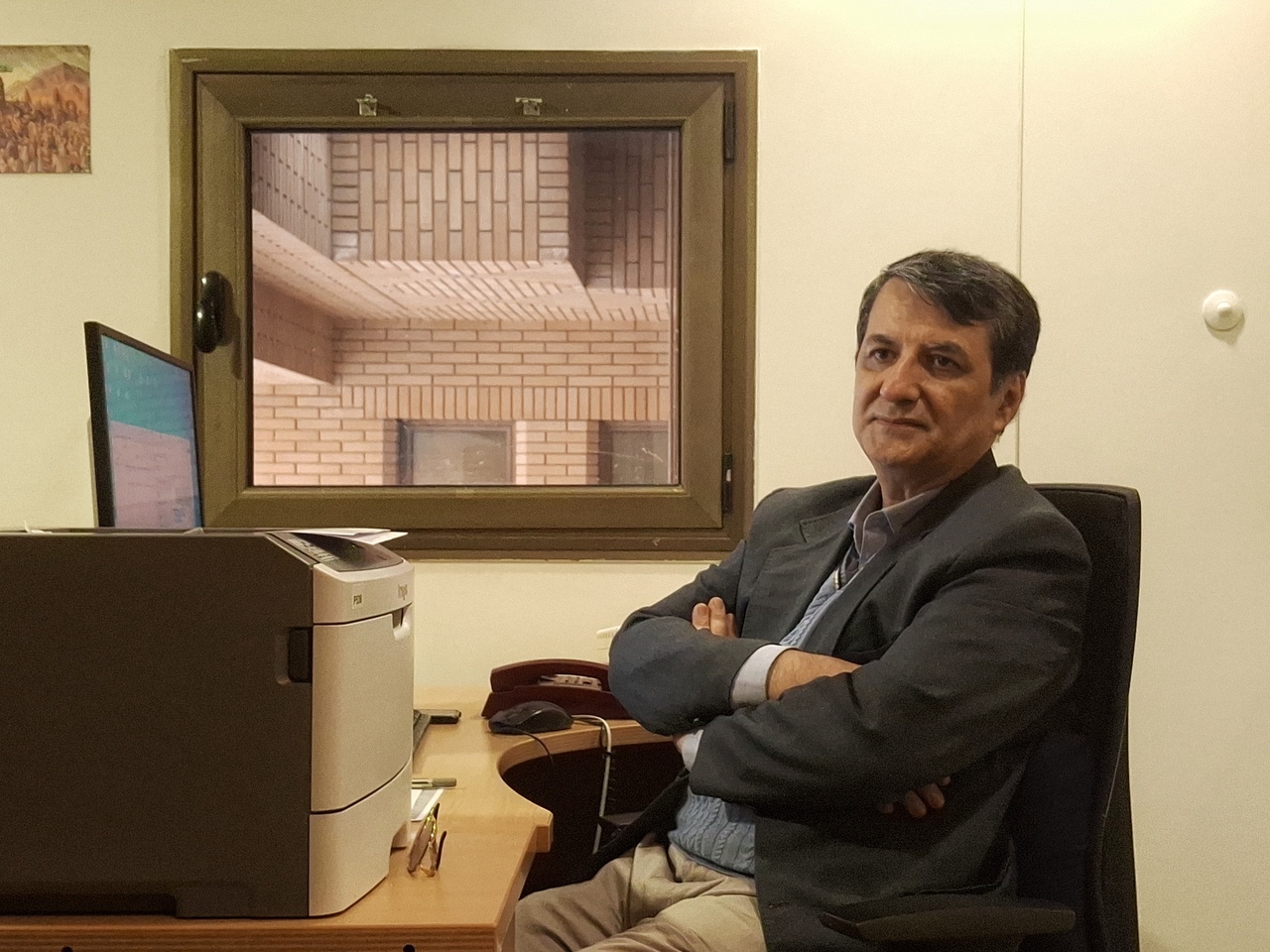
According to Iran Book News Agency (IBNA); Ali Owjebi, a veteran writer and translator, stating that the correction of manuscripts, beyond mere editing, should lead to the discovery of the text’s truth, said: Correcting texts is not just superficial editing; it is a complex scientific process that requires mastery of the subject, paleography, history, and literature. When a manuscript survives from centuries ago, it may have suffered distortion, omissions, or incorrect additions due to the scribe’s ignorance, prejudice, events, or the passage of time. The editor’s duty, with the tools of knowledge and integrity, is to revive the authentic form of the work so that the author’s pure thoughts reach the current generation without the dust of distortion.
Ali Owjebi, who previously managed the National Library’s Department of Manuscripts, added with a tangible example: Sometimes a scribe unfamiliar with philosophy wrote the term “pure existence” as “lucky existence.” Correction involves identifying and correcting these types of errors, while accurately noting variant readings without altering the original text itself.
Warning about insufficient attention to correction in the academic system
The veteran writer and editor, expressing regret over the marginalized position of “text correction” in the country’s universities and research centers, said: Unfortunately, in many of our universities, correcting an ancient text is still not viewed as an independent and rigorous research endeavor, on par with authorship or translation. Even for doctoral dissertations, correction is sometimes considered less valuable. This is despite the fact that all authentic research in fields like philosophy, literature, history, and Islamic studies is only possible by relying on validated, corrected texts. How can one research Mulla Sadra without his “Asfar” being properly corrected?
Supporters of Manuscripts; Unsung Guardians of National Identity
Another point of Owjebi’s speech was an appreciation for the extensive and sometimes anonymous efforts of all stakeholders in the field of manuscripts, from editors and catalogers to restorers and librarians. Referring to the start of the “Guardians of Manuscripts” ceremony in 1379 at the Parliament Library, he considered this move an effective action to motivate and recognize the potential of this field.
Iranian Culture is Ancient and Rich
Owjebi, emphasizing the unparalleled richness of Iranian culture and civilization, described the preservation of manuscripts as something beyond “curating museum objects” and said: This heritage is the foundation of our national identity. Many theories attributed to others today have their roots in the works of Iranian scholars. The correction and publication of these texts not only acquaints us with our brilliant past but can also guide us on today’s societal issues; such as Farabi’s theory of “the virtuous city” which can be a light for contemporary sociology. Furthermore, these authentic documents are the best response to historical distortions and prove Iran’s cultural authenticity to the world.
Referring to the difficulty and time-consuming nature of correction work, which often proceeds based on personal passion and interest, he called for more serious attention from responsible institutions: It is necessary to include methodology courses for text correction in universities. Book and research awards should allocate a fair quota for corrected works and provide both material support and spiritual appreciation for this hardworking group.
The author concluded: Holding the ceremony honoring the Guardians of Manuscripts is an opportunity to reflect the silent voice of the custodians of Iran’s written memory and reiterate the message that every page of an ancient manuscript is not just a piece of historical paper, but a page from the book of our collective identity that must be carefully read, preserved, and passed on to future generations.





