Historical Treasure and Optimizing the Use of Manuscripts
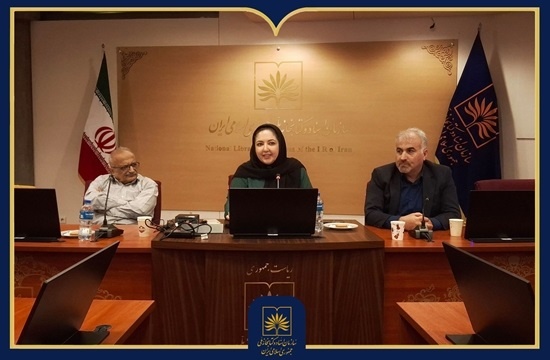
According to Iran Book News Agency (IBNA), the third in a series of specialized paper-based meetings, titled ‘Access to Historical Treasures: Optimizing the Use of Manuscripts,’ was held at the Cultural Think Tank.
This meeting was organized by the General Department of Research, Librarianship, and Education of the Organization, and chaired by Parisa Pasyar, a research expert at the Organization. During this meeting, Ebrahim Afshar Zanjani, a retired professor from the University of Isfahan, and Hassan Moghaddaszadeh, a faculty member of the Organization, presented their views on new solutions for developing access to manuscripts.
At the beginning of the session, Parisa Pasyar, the meeting secretary, briefly introduced the paper discussed at the meeting. While introducing the paper, she also mentioned its authors and the venue and method of presentation at the IFLA 2025 satellite meetings.
Following the meeting secretary, Ebrahim Afshar Zanjani presented a summary of the paper ‘Unlocking Historical Treasures: Optimizing the Use of Manuscripts at the National Library of Indonesia in the Digital Age,’ which was presented at IFLA in 2025. Afshar Zanjani added: ‘In Indonesia, due to climatic conditions including high humidity and heat, manuscripts are exposed to various damages. Therefore, the country’s National Library has decided to make these manuscripts virtually accessible to the public through various methods and by utilizing the facilities provided by the digital environment, to prevent damage to physical copies from use. The most important of these activities include: converting manuscript content into new and modern formats, digitizing manuscripts, producing illustrated books and comics based on manuscripts, creating platforms for presenting and sharing manuscripts, and organizing read-aloud programs and book contests.’
Subsequently, Hassan Moghaddaszadeh, while providing supplementary explanations about the paper, offered solutions and suggestions for the National Archives and Library of Iran. The main suggestions presented include: shifting from a policy of preserving manuscripts to recreating and making them accessible; forming a manuscript recreation working group within the organization and defining several annual narrative or visual recreation projects using manuscripts; creating an application for sharing manuscripts; and utilizing social networks and virtual spaces for sharing manuscripts and works produced from them.
At the end of the meeting, participants raised their opinions and suggestions, and questions posed by the speakers were answered.





