Fourth Generation Writers Have Outshone Previous Generations
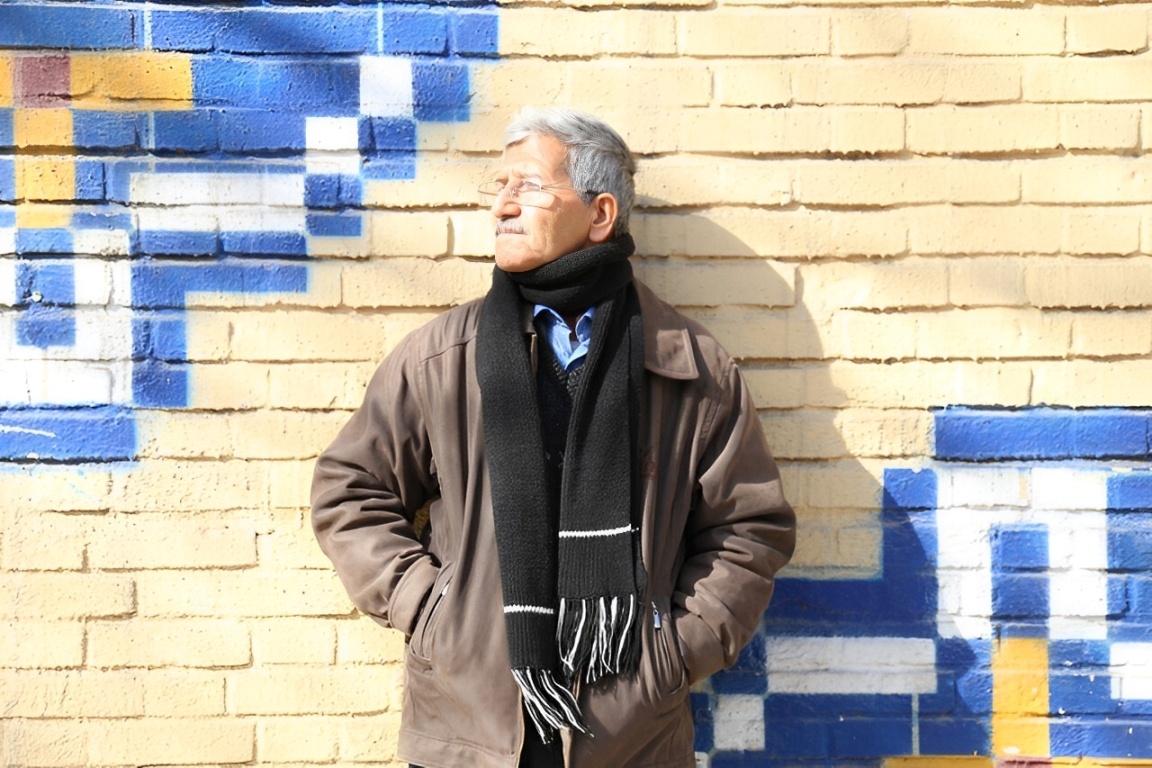
According to the correspondent of the Iran Book News Agency (IBNA), recently, the closing ceremonies of the 23rd and 24th periods of the ‘Mehragan Literature Award’ were held, and Samad Taheri was one of the writers honored by the judges for his novel, ‘The Young Old Woman Who Was My Sister’.
Samad Taheri, a storyteller who has won the Jalal Award and also has awards such as the Ahmad Mahmoud Award in his resume, was born in 1957 in Abadan and resides in Shiraz. In ‘The Young Old Woman Who Was My Sister’, Taheri addresses the theme of the decline of innocence. In this story, Abadan, its people, and its multicultural situation play an essential role. This book is full of pure humorous and joyful moments, making the reader laugh, angry, and emotionally stirred.
The selection of this work as a commended novel by the Mehragan Award judges, along with Samad Taheri’s experience in judging various literary awards and his awareness of the current state of storytelling in Iran, provided an occasion to talk with him about literary awards and the situation of contemporary Iranian fiction.
It is worth noting that Samad Taheri recently published another novel titled ‘Lost in Lost Ways’ by Nimaj Publishers; a novel in which the author presents a multi-layered narrative of migration, poverty, and the struggle for survival. This novel, utilizing several different narrators, provides a human and painful image of the widespread migration of people to the south of the country due to famine.
You are reading an interview with this contemporary writer:
Considering your experience in judging literary awards, what challenges and difficulties have you faced in judging? Because, after all, choosing one book from among many submissions is inherently a difficult choice and can confront a judge with many doubts. Could you elaborate on these challenges and state your primary and essential criteria for approving a story?
Regarding the judging of stories in festival awards, naturally, the main criterion is the literary expression of that story. Now, whether it is a collection of short stories or a novel, we must consider the elements that form the main structure of a story or novel; that is, to see the extent of atmosphere creation and character development and how successful the writer has been in making the story believable, because ultimately, the intensity of a story or novel’s impact on the reader depends on its believability, which is a function of good atmosphere creation, good character development, and overall the attraction and pull that the story or novel should create. This has always been my criterion. In any award, one person can be first, and in no award in the world, whether it’s the Nobel Prize, the Pulitzer, the Man Booker, or any other award, can more than one person be first. In any sports competition, one person can be first, and two cannot. Anyway, this is a challenge that judges face, but ultimately, with the scores they give, a book might be placed slightly higher by one-hundredth of a point, but this does not mean that other books are of little value. After all, a collection of books reaches the final stage. The same number of books that reach the final round, whether thirty books or forty books or whatever number, are all valuable books. Every competition will naturally have a first, second, and third place, but not being first does not diminish the true value of those books.
Another point that I must add regarding the judging of stories and novels is attention to the author’s prose. First and foremost, the prose must be consistent with the subject, theme, and structure of that story or novel. Now, in one story, this prose might be colloquial and mundane or very classical. Anyway, first and foremost, the prose must be consistent with the story.
What impact do literary awards have on the advancement of contemporary literature?
Literary awards undoubtedly play an important role in the advancement of contemporary literature, as they are literary and storytelling gatherings. On one night, many people gather and express opinions about narrative literature, and on the other hand, a book that is introduced, whether as a winner of an award, or as highly commended or praised, or any other title, will be seen better and more widely, which is especially more important for young people. I have always emphasized that these awards should primarily benefit young people, meaning young writers who need to be seen and encouraged. These literary awards cause a particular book to be more exposed to readers and book enthusiasts and to be seen. In fact, literary awards play an important role in introducing books and promoting reading.
What is your experience with the first literary awards you received? What impact did it have on your work process? Did it have a serious impact?
Well, since I didn’t receive my first award at a young age, it might not have been very exciting for me. The first award I received was the first prize of the Shiraz Literary Story Festival, which was in 1998, if I’m not mistaken, or perhaps 1999. The next national award was the Al-e Ahmad Award, which I received for the collection ‘Lion’s Wound’. But anyway, these awards, in my case, were awards I received after, for example, thirty or forty years of writing. Naturally, every award is an encouragement and actually creates more motivation in the writer to continue writing, and especially for young people, I think it is very effective to be encouraged to write and persist in writing. I have always emphasized that these awards should go to young writers; older writers no longer really need encouragement.
Some believe that literary awards, especially if a very young writer receives an award for their first book, can also act as a deterrent. That is, the writer unconsciously may not find the motivation to work harder and improve their work. Do you agree with this view?
Regarding an award that a young writer might receive for their first book, this award is, in any case, encouraging for the writer and creates more motivation in them to continue their work, and I doubt it would be a deterrent. Now, it might exceptionally create the illusion in a specific person or writer that they have become a great writer and in writing their subsequent stories, they might not pay much attention to the audience, but overall, I believe it has a positive aspect and stimulates motivation to continue writing. Now, if exceptionally a writer is deceived by this award and an illusion is created in them, it is an exception, and ultimately, they will realize their mistake over time, meaning when their subsequent books fail to create that enthusiasm in the audience and are not well received, the writer will naturally realize and correct their mistakes.
In your opinion, what was the reason for ‘The Young Old Woman Who Was My Sister’ being named a commended novel?
Presumably, it had literary and narrative characteristics that to some extent attracted the attention of the judges and was recognized as worthy of commendation.
How do you evaluate the current state of storytelling?
Regarding the current state of storytelling, I have a very positive view and I think we are in one of the golden ages of storytelling. Collections of stories by writers of the third and fourth generations, especially the fourth generation, have been published in recent decades that are excellent and of high literary standard. I can boldly say that the fourth generation has surpassed the first, second, and third generations and has been able to create works that were very rare in the past three generations, especially in the first and second generations, and I envision a very good future for Persian short stories and novels. I can name 35 excellent, first-rate writers who have produced very prominent works in the field of short stories, and examples of these are the books that have won awards in recent years.
Do you have any work on the verge of publication?
No, but recently another novel of mine, ‘Lost in Lost Ways’, has been published by Nimaj Publishers.





