We don’t have serious criticism in the field of children’s poetry
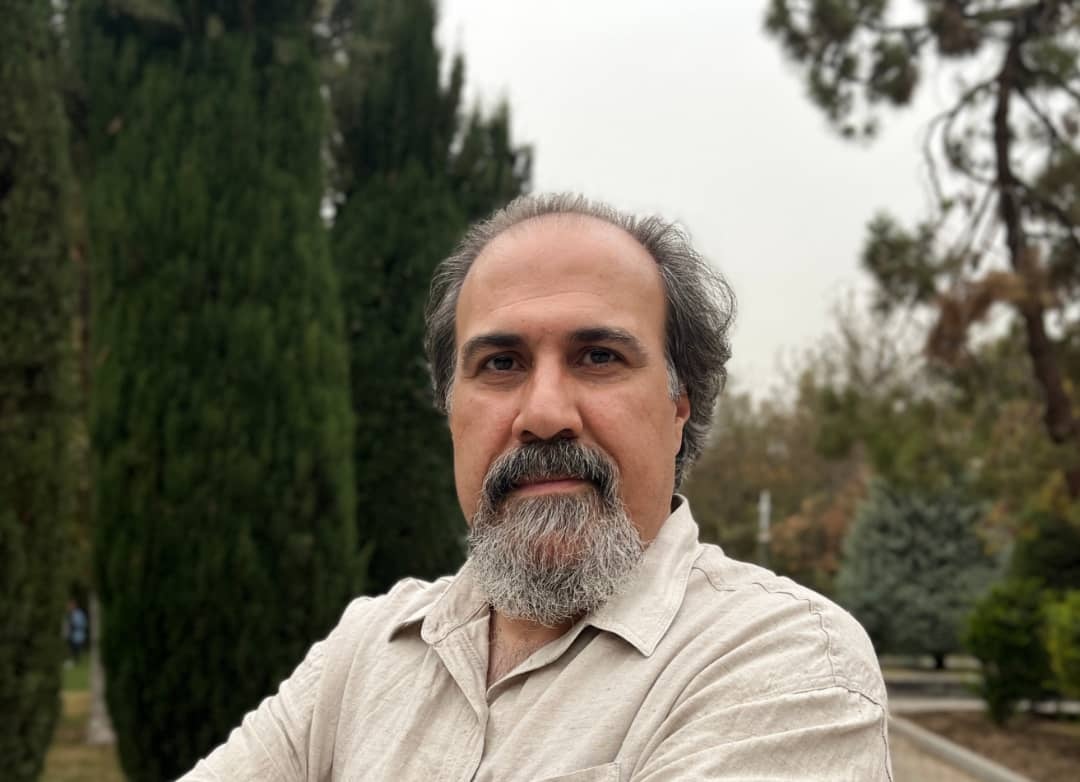
IBNA (Iran Book News Agency) Children and Young Adults Service – Sayeh Barin: The state of children’s and young adult poetry today faces challenges. On one hand, the proliferation of commercial and festival-driven works has led some to say that children’s poetry has weakened and lacks an audience. On the other hand, genuine and literary works continue to be published with high quality and attract their specific audiences. IBNA is investigating this situation as part of its special report on children’s and young adult poetry, and for this occasion, we have interviewed Hossein Tavallaee, a poet for children and young adults.
In this interview, Tavallaee discussed the categorization of poetry, its pitfalls, and the path of children’s literature. We read the full text of our conversation with him:
Categorization of Children’s and Young Adult Poetry
Hossein Tavallaee said: “Before delving into the discussion, we must clarify which children’s and young adult poetry we are talking about. I recognize three categories for children’s and young adult poetry.”
He explained: “The first category consists of poems that are call-based and festival-driven. These poems await the determination of a theme and then take shape according to the wishes of the event’s policymakers. We don’t see literature in this type of poetry, as it becomes a tool for festival objectives.”
Tavallaee added: “The second category comprises commercial poems; works whose creators observe what publishers want and adapt themselves to market patterns. These are also not literature, as they degrade poetry into a commercial commodity, and their production’s goal is economic profit.”
He stated: “The prevalence of these two categories has led people today to say that children’s and young adult poetry has weakened or lacks an audience.”
Tavallaee then introduced the third category, saying: “The third category is poetry as literature; poems that are committed to literature itself, are not written for festivals, and aim to elevate the audience’s taste. These genres are pure literature and, despite being less widespread, possess high quality.”
The State of Poetry and the Role of the Audience
Referring to the history of children’s and young adult poetry, Tavallaee said: “In the 1980s and 1990s, we had very good and notable poems that are still studied today. This history ensures that the state of children’s and young adult poetry, if we set aside commercial and festival-driven poems, is not bad.”
He emphasized: “The audience is free to not choose poetry and turn to stories, animation, or theater. This does not mean poetry is weak. I absolutely do not agree with this competition that children’s poetry should be so good that a child doesn’t go to the cinema. What’s important is to provide children with suitable content so they can choose for themselves.”
Poet and Audience Recognition
Tavallaee said: “A poet who wants to have an audience must know them. Literacy, literary experience, and studies in the fields of literature, child psychology, and sociology are essential.”
He added: “We must elevate the audience’s level of literacy, thought, and emotion to cultivate an audience. The decline we see is related to commercial and festival-driven poems, but poetry as pure literature has not only not declined but has progressed.”
Criticism, Freedom, and Closeness to the Child’s World
Regarding the path to creating literary poetry, Tavallaee said: “Entering commercial and festival-driven poetry is easy, but entering children’s and young adult literature is difficult and requires practice, study, and mentorship. Someone who follows this path will write poetry several steps above commercial poems.”
He criticized the critical environment, saying: “In the field of children’s poetry, we lack serious criticism. Most sessions revolve around praise and pleasantries. Criticism should examine the form; how the poet said something, not just what they said.”
Tavallaee regarding understanding the child’s world said: “A poet must get close to children’s mental and emotional world and reflect their lived experiences in poetry. Poems of the third category have this characteristic, but commercial poems do not care about the audience and turn poetry into a tool.”
He concluded by emphasizing: “Poetry should be composed in a free environment, not dictated by imposed market patterns and calls for submissions. Study, observing children’s behavior, and understanding their concerns are the only ways to approach the mind and language of children and young adults.”





