Unveiling Iran’s Official Documents at the End of World War I
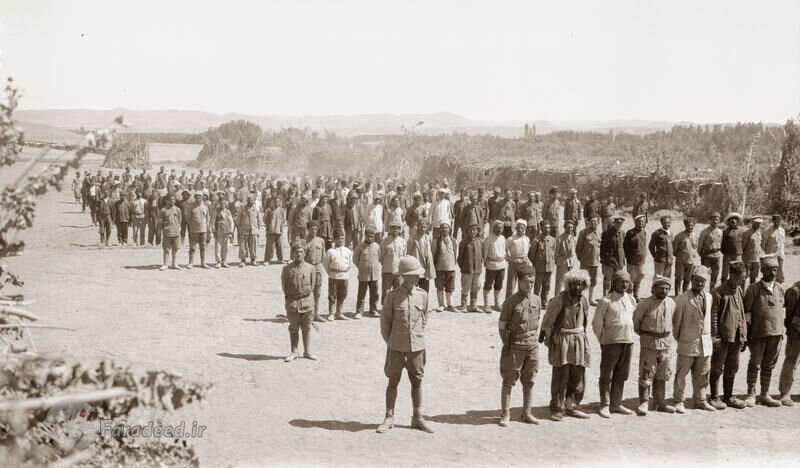
According to Khabaronline news agency, the book “Bayān-e Vāqeʿ” written by Kaveh Bayat was published by Shiraze Publications. This book examines the statements and reports of the Ministry of Foreign Affairs describing developments in Iran during the final months of World War I, from Muharram to Dhu al-Qi’dah 1336 AH, providing a precise picture of the political and diplomatic conditions of that period.
The most important official document related to Iran’s developments in World War I is the Green Book. This book includes a selection of documents and reports concerning the violation of Iran’s neutrality in the initial stages of the war, which was compiled and published during the same period. Due to its comprehensiveness and historical importance, the Green Book is considered the main reference for researchers to understand Iran’s interaction with major powers and internal political trends during that era.
However, a collection of other reports and documents from that period also remains, which had internal applications and were sent by the Ministry of Foreign Affairs to Iran’s representations abroad under the title “Motahed-ol-Ma’al” (Circular). Although these documents were compiled for domestic audiences, they can also be considered official documents and play an important role in completing and understanding events more accurately.
“Bayān-e Vāqeʿ” attempts to present a more complete picture of Iran’s situation in the final months of World War I by collecting and analyzing these documents. The book shows how the Ministry of Foreign Affairs monitored political and military trends and challenges by gathering information from within the country and foreign representations, and used its reports for major internal and external decisions.
From a research perspective, this book has dual importance: on the one hand, it enables the reader to follow Iran’s historical and diplomatic developments from an official and documented perspective; on the other hand, it demonstrates the processes of information gathering, report writing, and Iran’s communication with global powers during wartime. The publication of such documents not only has historical value but also provides a more accurate understanding of Iran’s political and diplomatic complexities during the years of World War I, and its study can help researchers and those interested in Iranian history to better analyze the country’s foreign relations and domestic policy in a global context.
The book “Bayān-e Vāqeʿ” is such a collection, referring to the important developments in Iran between Muharram and Sha’ban 1336 AH. This book was published in 199 pages and priced at 400,000 Tomans by Shiraze Publications.





