Challenges in Accessing Historical Documents at Astan Quds Document Center / Digital Library Limitations Must Be Resolved
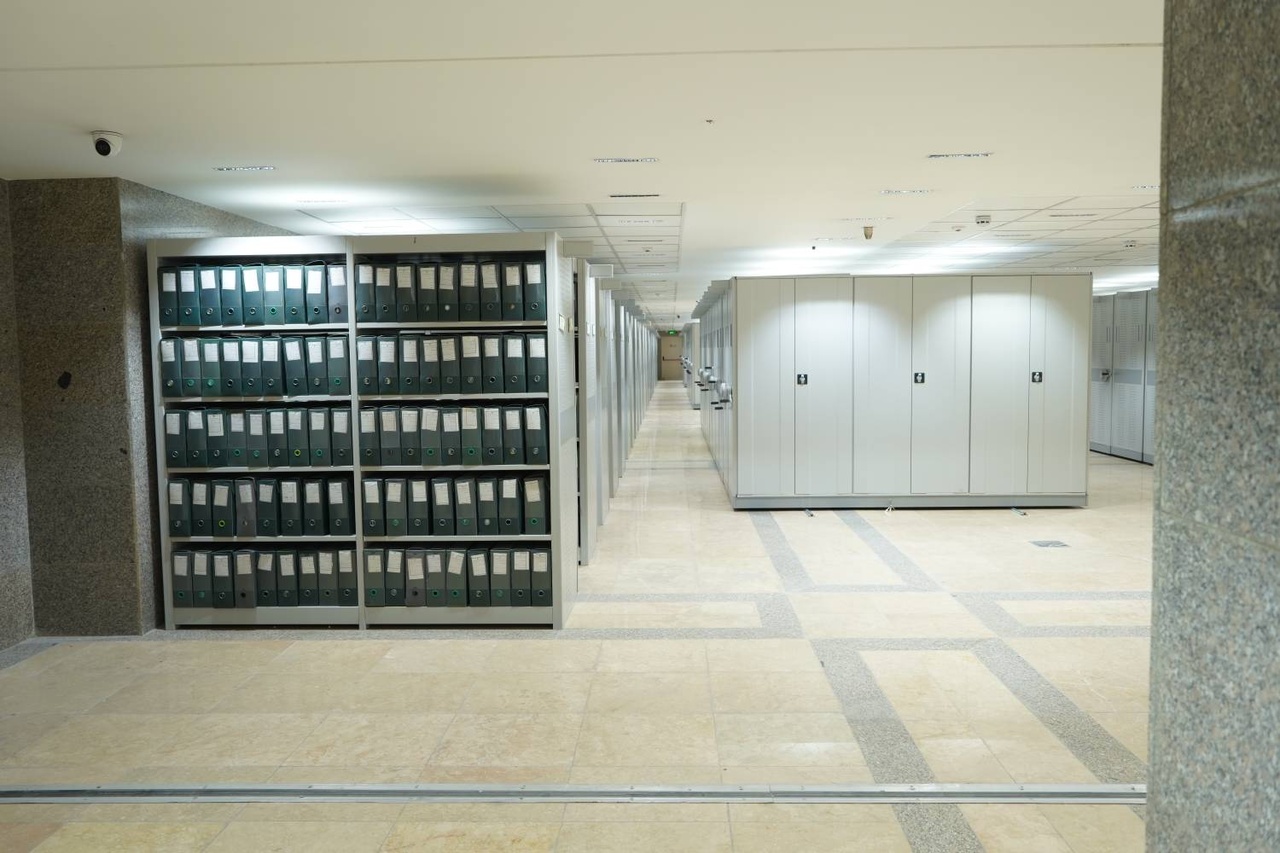
Iran Book News Agency (IBNA) – Marjan Hosseinzadeh: In the history of Iran, written treasures are hidden that narrate the ups and downs, culture, civilization, and identity of this land. The Astan Quds Razavi Document Center is one of these treasures, which plays an unparalleled role in preserving and promoting the country’s historical heritage by holding thousands of valuable documents and manuscripts.
Access to these documents is a window to a better understanding of the past and a deeper comprehension of the present. Researchers, scholars, students, and history enthusiasts have always sought these documents and benefited from the information contained within them. However, this access has always faced challenges.
On one hand, officials of the Astan Quds Razavi Document Center have tried to facilitate researchers’ access to documents by creating an open and interactive environment. In-person visits to this center offer an opportunity to experience history and use the guidance of experienced experts. On the other hand, researchers who cannot visit in person and seek information through the digital library website face limitations.
In this report, we will examine the status of researchers’ access to documents and manuscripts at the Astan Quds Razavi Document Center. Through interviews with researchers and one of the officials of this center, we will explore the existing challenges and solutions, striving to present a clear picture of the current situation and future outlook. We will also address the key role of correct indexing and cataloging of documents and the necessity of training researchers in document reading skills.
To begin this journey, we first approached Mehdi Ghorbani, a researcher of documents and manuscripts, who has 20 years of research experience. He said: “In the distant past, there were very difficult conditions for accessing some manuscripts and documents available at the ‘Astan Quds Razavi Document Center,’ but for several years now, the space in this center has opened up, and access is easy, especially for those researchers who visit in person. The document custodians provide the documents well and do not fall short in guidance and consultation.”
Limitations for Researchers Who Cannot Visit In Person
He added: “However, I know that researchers who cannot visit this center in person and must refer to the ‘Digital Library website’ to access information, only receive the title of the document when searching for a specific person, place, or historical document on the site. Therefore, researchers who cannot visit this center in person face many limitations.”
This author and researcher stated: “Furthermore, for those researchers who have to pay a fee remotely to access a document, in some cases, the cost of 10 documents is paid, but none of them may be useful to the researcher. Therefore, if there was a way for researchers to have even limited remote access to some documents to select their desired document and then pay a fee to obtain it, it would be excellent.”
Manuscripts Contain Specific Points About Our Culture and History
This researcher considered other services of the Astan Quds Razavi Document Center to be very good and continued: “Documents and manuscripts contain specific and subtle points about the history, culture, and rituals of our people that require extensive examination.”
Mehdi Ghorbani stated: “Many researchers and even students do not deal with documents at all and simply go for printed books to get information, while many untold stories are within these manuscripts. Recently, I examined a document related to an area called ‘Bagh-e Dolab’ in Mashhad, which was around ‘Siyavoon’ alley, while there is no mention of this area in the alleys and bazaars. Therefore, examining manuscripts and documents is very necessary from a cultural and identity perspective.”
The manager of Qaf Imam Reza (AS) Publications said: “There are still many documents that cannot be cataloged due to their large number and shortage of personnel. For example, I searched for a document in 2009 that was not available at this center, but in 2019, several documents in the same field became available. This means either new documents have been uploaded or new catalogs from inactive documents have been entered into the Document Center’s website.”
Historical Documents; The Main Source for Researchers
Ghorbani considered documents to be the main source for researchers and stated: “Books that are based on documents and manuscripts have more credibility. In the book ‘Khanqah of Tabas,’ I only used one leaf of a document and part of a manuscript. When a single document can turn into a book, it can be boldly said that many works are awaiting research. Certainly, if experts and researchers search more, they will write more books from various documents, and by relying on documents, they will increase the credibility of their books.”





