The book ‘The Evolution of Islamic Mysticism through Text’ was released to the market
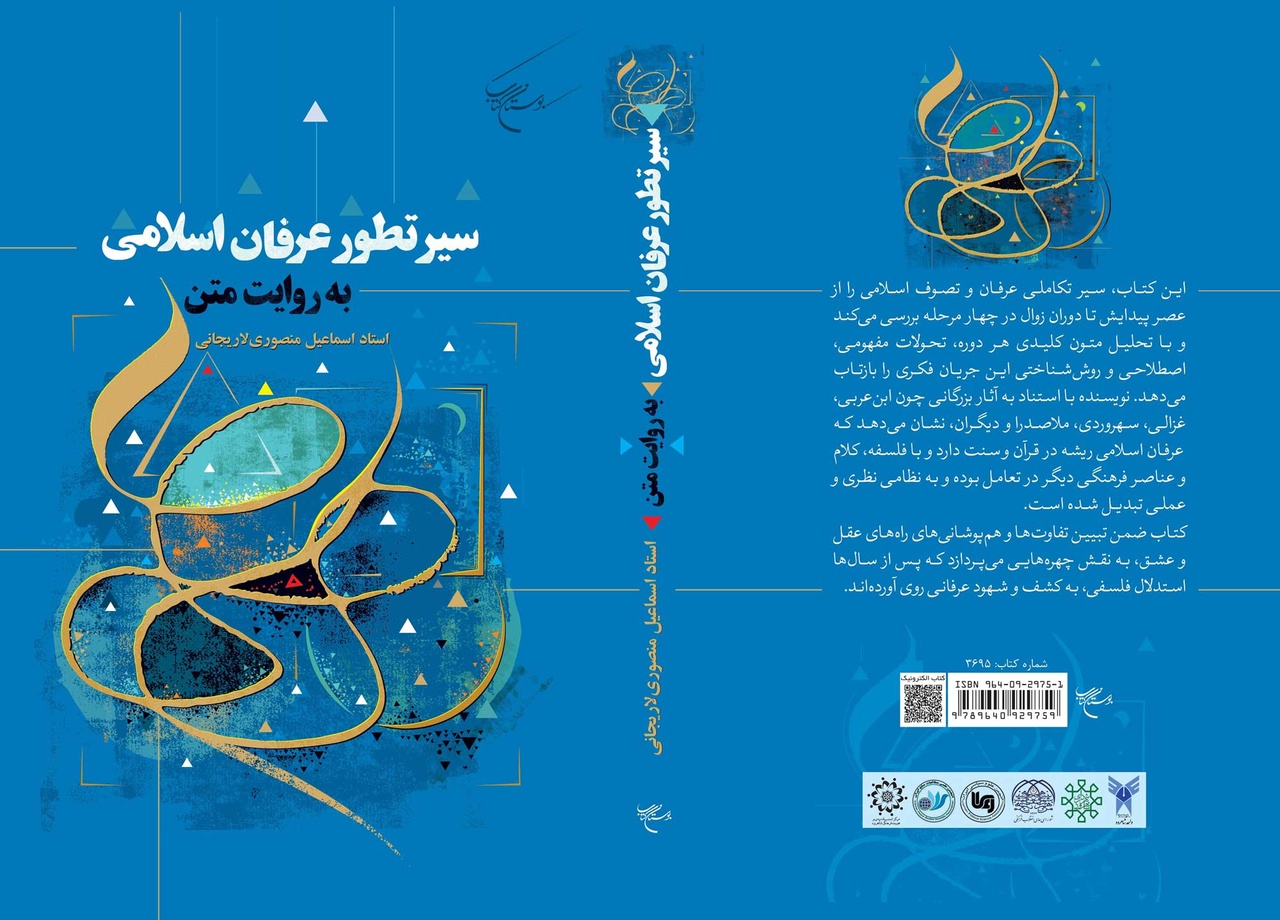
According to Iran Book News Agency (IBNA) in Qom, the book ‘The Evolution of Islamic Mysticism through Text’ examines the evolutionary path of Islamic mysticism and Sufism from the era of its emergence to its decline in four stages. By analyzing key texts of each period, it reflects the conceptual, terminological, and methodological transformations of this intellectual current. The author, citing works by great figures such as Ibn Arabi, Ghazali, Suhrawardi, Mulla Sadra, and others, demonstrates that Islamic mysticism has its roots in the Quran and Sunnah, has interacted with philosophy, theology, and other cultural elements, and has developed into a theoretical and practical system. This book, while explaining the differences and overlaps between the paths of reason and love, addresses the role of figures who, after years of philosophical argumentation, turned to mystical discovery and intuition.
Structure of the Work
This book is authored in four sections; the first section, titled ‘The Era of Emergence,’ describes the characteristics of Islamic mysticism during its emergence, including asceticism and contentment, hermeneutics, the rise of Kalam (theology), the prose style of works from the first period, and famous books of Islamic mysticism from the era of emergence, such as ‘Al-Ri’aya li Huquq Allah’ (Harith al-Muhasibi) and ‘Qut al-Qulub fi Mu’amalat al-Mahbub’ (Abu Talib al-Makki).
The second section, titled ‘The Era of Transformation,’ examines the characteristics of Islamic mysticism during its transformation (literalism, expansion of khanqahs, and the mixing of Sufi beliefs with philosophy and theology) and famous books of Islamic mysticism from the era of transformation, including ‘Kashf al-Mahjub’ (Ali Hujwiri), ‘Zubdat al-Haqa’iq’ (Ain al-Quzat Hamadani), ‘Ihya’ ‘Ulum al-Din’ (Imam Muhammad al-Ghazali), and ‘Tadhkirat al-Awliya’ (Attar of Nishapur).
In the third section, titled ‘The Era of Development,’ the author describes the characteristics of Islamic mysticism during its development, including the growth of fatalistic thought, the influence of Islamic mysticism on Indian Sufism, the role of Sayyid Haydar Amuli in this period, and famous books of Islamic mysticism from the era of development (‘Futuh al-Makkiyah’ (Muhyiddin Ibn Arabi), ‘Fukuk’ (Sadr al-Din Muhammad ibn Ishaq al-Qunawi), and ‘Lama’at’ (Fakhr al-Din Iraqi)).
‘The Era of Decline’ is the title of the fourth and final section of the present book, which emphasizes the characteristics of the era of Sufism’s decline and the flourishing of Islamic mysticism, including the tendency of Sufi orders towards social and political issues, the growth of Shi’ism and public reception of it, and the role of Shi’a scholars.
The book ‘The Evolution of Islamic Mysticism through Text’, authored by Ismail Mansouri Larijani, was published in 520 pages by Boostan-e Ketab Institute.