A Healthy Society by Listening to Diverse Voices
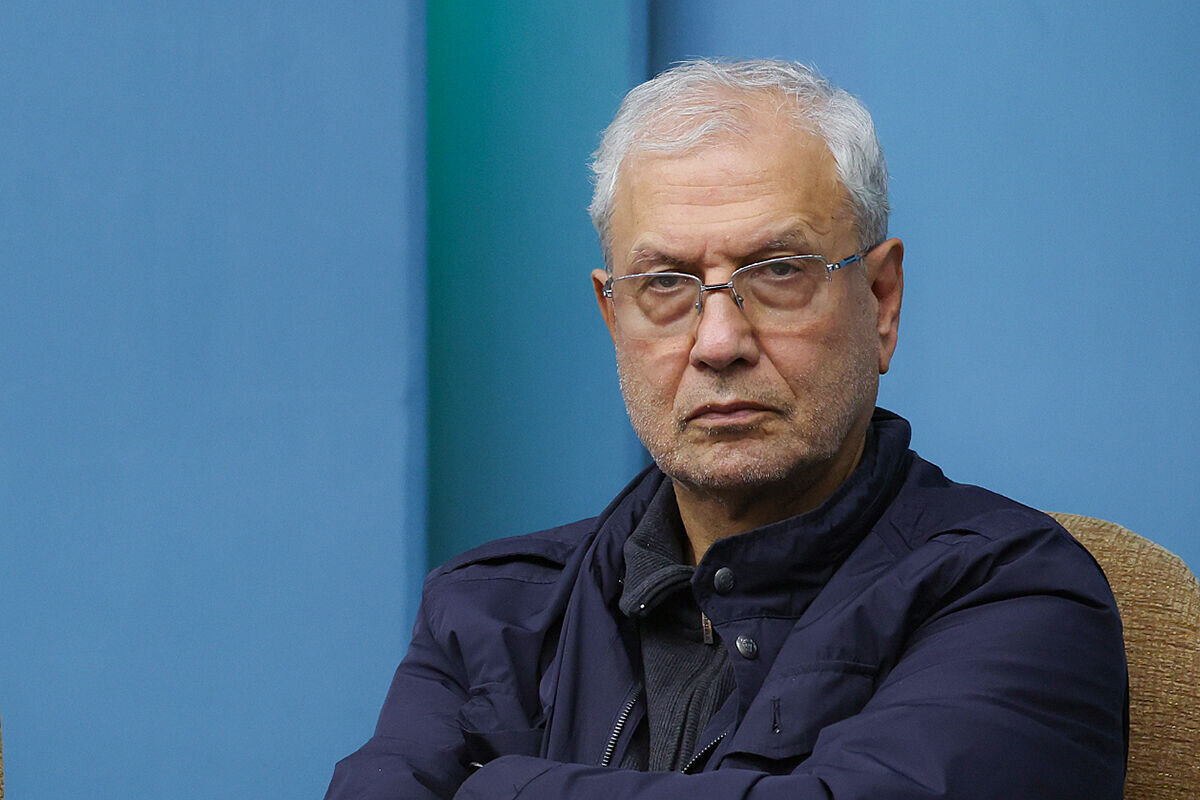
Today, at the closing ceremony of the third National Cama Festival—a festival organized by the Iranian Association of the Blind and the Office of Culture for the Disabled to honor the best works of writers, researchers, translators, and creators with disabilities, as well as writers and publishers active in the field of people with disabilities—the witty and clever poem by Rudaki, the prominent blind Iranian poet, echoed in my mind; where he says:
I do not blacken my hair for the sake of becoming young again and committing new sins,
As people darken their clothes in times of mourning,
I blacken my hair from the sorrow of old age.
These few verses by Rudaki, the renowned blind poet, narrate our perspective on experience, age, and life; they remind us that every streak of white and every line on the face is not a sign of weakness, but a symbol of experience, knowledge, and patience. Just as experience is valuable in the life of every individual, in a society, universal access to knowledge—from the blind to the deaf—is a sign of cultural maturity and social justice. Any gathering centered on “books” and “humans” has always reminded us of the truth that a society matures when it listens to the experiences of those who have been less seen.
It is in such moments that society grows. The Book Festival for People with Disabilities is not just a cultural event; it is a window into a deeper understanding of Iran’s contemporary social life. Books written in the field of disability—whether research-based, narrative, or experience-driven—are mirrors that teach us to perceive disability not as a defect, but as another way of being in the world. In these works, humanity precedes any administrative or medical concept, and this is their most valuable achievement. In many of these books, disability is not a limitation but a narrative of another kind of perception; a perception sometimes clearer and more humane than what the sighted eye or hearing ear comprehends.
These works speak of unseen sufferings, social barriers, and silent discriminations, and simultaneously of the abilities, creativity, and will that rebuild the individual world of their authors every day. What emerges from these writings is an important social lesson: society is only healthy when all voices—even the quietest—are heard. The most important asset of this festival is precisely this: that we enter the world from the perspective of people whose experiences we might not have imagined before. This participation in each other’s experiences is the cornerstone of collective good, because collective good is formed when the pain and joy of one group, become the concern of all of us.
Books in this field are not, in fact, books about people with disabilities, but books about us: about how we can build a society where “seeing” does not just mean seeing with eyes, but means recognizing the other, accepting them, and providing equal opportunities for flourishing. Such a society is built not on pity, but on justice and empathy. Iran is a land of talents, and its people with disabilities have created brilliant works in music, humanities, technology, and research. Supporting their access to books and knowledge is a national and human investment.
A future in which all children with physical disabilities can access textbooks, storybooks, and scientific books from their first years of education will be a more humane, more popular, and more just future. Writers, researchers, and all those who have dedicated their lives to writing and research in this field are mediators between us and an important truth: that social development does not only progress by building roads and bridges; it progresses by building “understanding” and “solidarity.”
A society that does not open the gate of knowledge, access to awareness, and free thought for everyone has closed off a part of its future. It is the responsibility of all of us to open this gate wider for people with disabilities. The National Library can also be a pioneer in this movement; a movement that begins with technology but will culminate in justice, equality, and human dignity.





