Poetry Should Respond to the Needs of Today’s Children and Adolescents

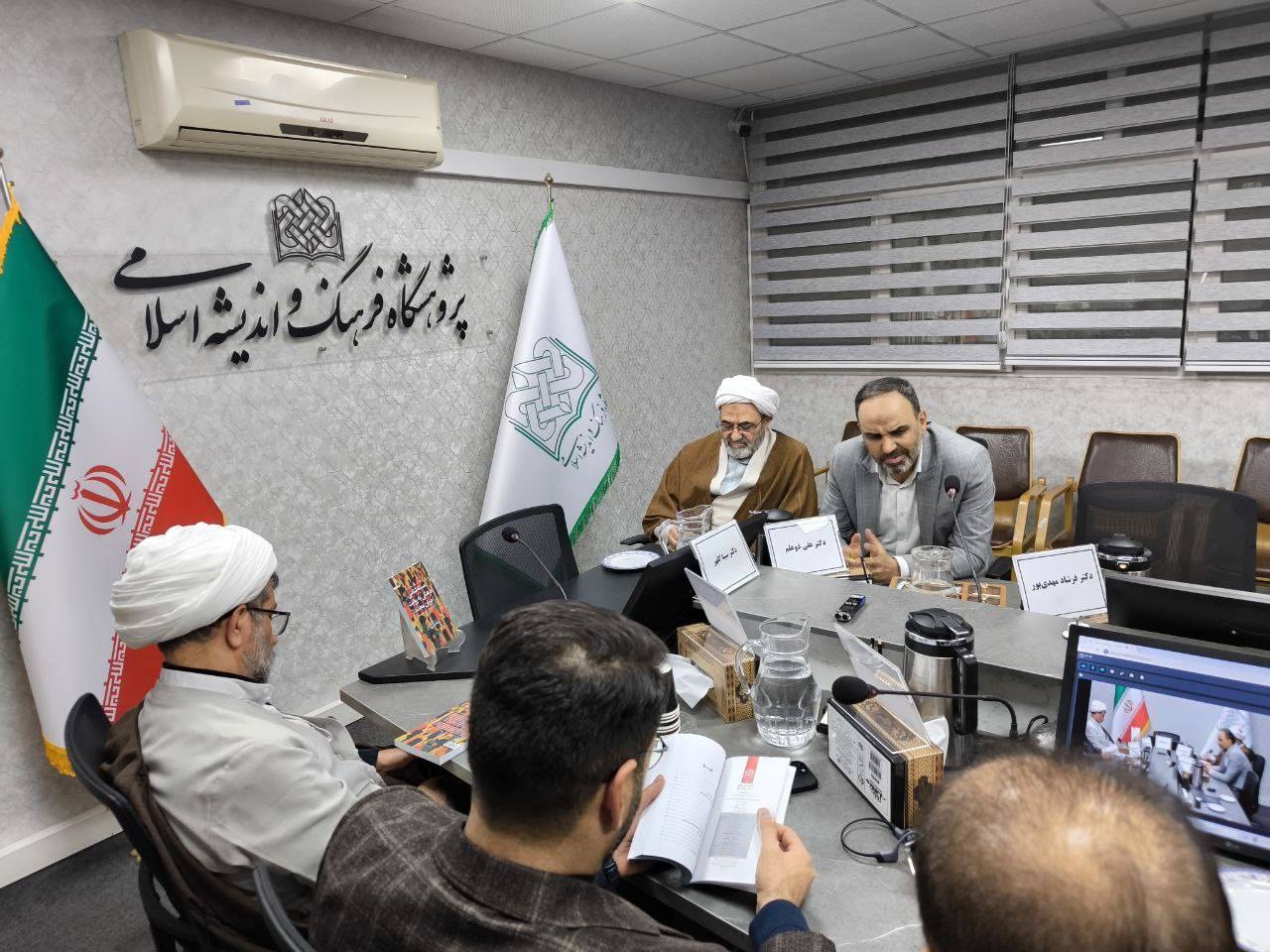
According to the correspondent of Iran Book News Agency (IBNA) in Hamadan, on Saturday morning, during the literary program ‘Two Windows’, Babak Niktalab, a poet and writer from Hamadan and son of the late Ahmad Niktalab, known as ‘Yavar Hamedani’, congratulated Hamadan province for nurturing brilliant literary talents and stated: ‘I hope that with the cooperation of cultural officials, these capacities will flourish even more.’
He then listed three important principles in composing children’s and youth poetry, saying: ‘Poetry should be delicious, readable, delightful, and enduring; children’s poetry should not turn into mass and hasty production; quality always precedes quantity, and poetry should be a bridge between the past and the present, responding to the needs of today’s generation.’
The children’s and youth poet emphasized that a poet is not meant to be a sociologist, but can open a new window of life for children and adolescents. He added: ‘Adolescents seek learning and growth, and poetry should be hopeful for them, not discouraging.’
Referring to the pessimistic atmosphere of a part of the literature of the 1950s, he said: ‘Today, more than ever, we need hopeful and future-building poetry. Even in difficult economic or social conditions, we should not lose hope, and this message should also be seen in children’s and youth literature.’
Niktalab considered the main goal of poetry to be humanity and its future, adding: ‘If my goal was only to publish more books, I would choose another path; but I have written poetry for hope, aspirations, and human experiences, and I believe poetry should be simple.’
Referring to the longevity of poets like Saadi, Hafez, and Shahriar, he stated: ‘The spirit of hope flows in the works of these great figures, and this very characteristic has made them enduring. Poetry should open up a brighter and more humane world for children and adolescents.’
This children’s and youth poet also referred to calligraphy and music as important tools for memorizing and enduring poetry, adding: ‘Adolescents are not looking for a specific poetic form; poetry should resonate with their hearts and create joy.’
Subsequently, the media advisor to the Governor of Hamadan also spoke about the cultural position of the late Yavar Hamedani, saying: ‘He was an influential poet of this region and commanded special respect among cultural figures.’
He clarified: ‘This poet’s unique upbringing method led to the education of capable and influential children like Professor Babak Niktalab.’
Hassan Goharpoor continued by recounting memories of his adolescence and youth with Babak Niktalab, saying: ‘Niktalab spent his adolescence in a building where many of the country’s cultural and art figures were present; including Qaysar Aminpour, Biuk Maleki, Amir Atashani, and others.’
Poetry and Story Workshops Play an Effective Role in Teaching Technical Points
In the final section, a poetry and story workshop was held with the presence of Babak Niktalab and Masoud Taheri Azod, another poet from Hamadan and one of the instructors of the ‘Simorgh’ Literary Club.
Taheri Azod, referring to the high capacity of the Institute for the Intellectual Development of Children and Young Adults (Kanoon Parvaresh Fekri) in nurturing literary talents, said: ‘In the sessions where I was present as an instructor among the members of Simorgh, efforts were made to teach technical points of poetry, and the children also critically reviewed based on these learnings.’
He added: ‘The spirit of being open to criticism and listening to different opinions is one of the most important skills that has been examined in these courses.’
Taheri Azod continued, addressing Niktalab: ‘In the session for critiquing your book’s poems, the members of Simorgh made very precise points that amazed me. I hope these criticisms and opinions have been useful for you as well.’