Was Naser Taghvai a leftist writer?
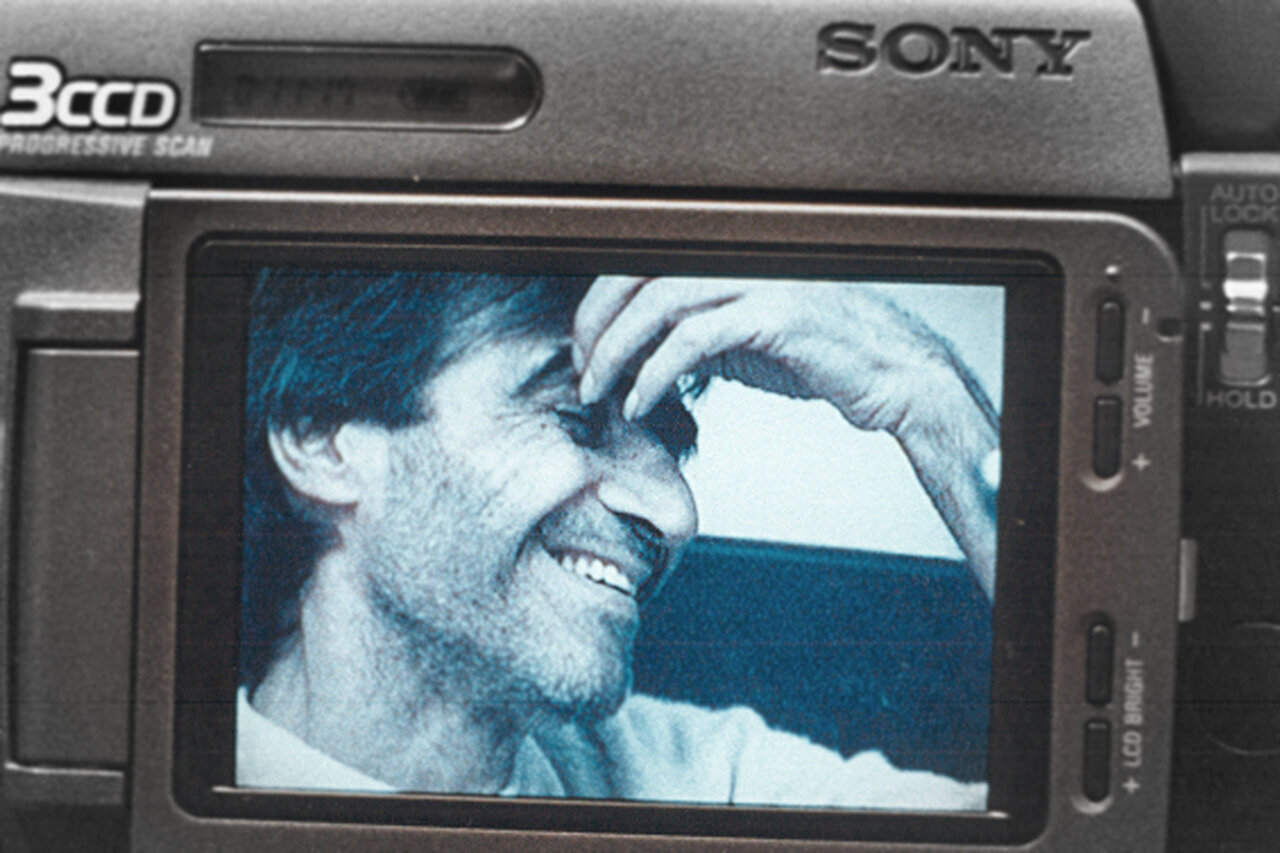
According to Khabaronline News Agency, “That Same Summer”; 8 interconnected stories by the late Naser Taghvai, a small yet significant collection, full of polished moments and silent mise-en-scènes, where the South is not just a geographical backdrop; it is a character, a destiny, and a space where any attempt to displace it leads to the collapse of the story. Recently, in an interview with Ali Masoudinia, a writer and literary critic, we sought to re-examine the hidden layers of this forgotten and still banned book. In a part of this interview, he responded to the following question:
“Another notable point in the stories of the collection ‘That Same Summer’ is the occurrence of its events during the transition from the landlord-peasant system to industrialization and the formation of a working-class environment. Can the stories of this collection, therefore, be considered part of working-class literature? Workers who entered stories almost from the 1940s, and significant examples include ‘The Black Day of the Worker’ written by Ahmadali Khodadadeh.
If we consider working-class literature in the Marxist or Socialist Realist sense, personally, I don’t see much affinity between it and Naser Taghvai’s stories. But if we consider the left-wing aspect of the matter and ask whether the origin of Taghvai’s stories, given the focus on the proletariat, aligns with leftist thought? I must say that considering Taghvai’s stories are somewhat depoliticized, meaning we don’t see overt politics or struggle in the Marxist sense, they tend more towards Italian Neorealism. Neorealism, whose examples can be seen in cinema in the works of Vittorio De Sica and the like, and in literature, while not in numerous examples, is observable in certain cases.
In fact, in my opinion, Taghvai’s overall choices do not suggest he is a leftist writer. Furthermore, we know that Ernest Hemingway, John Steinbeck, William Faulkner, Jack London, and almost all writers from whom the third branch of southern regional writers were influenced, had concerns affected by Marxism and Communism anyway. Do not forget that although much is now said about leftists, how they were this way or that way, at that time, the entire cultural sphere was under their influence, and not just in Iran. This ideology, besides being an interesting ideology, spread and propagated very deeply and widely. So, at least in those days, it was successful enough that wherever you looked in the world, you could see artists who were somehow influenced by it, although their representations varied.
Overall, I am very happy that Taghvai is not among those writers whom you feel wrote commissioned stories. While many writers seem to have written stories at the behest of certain parties. But for Taghvai, the story was not a medium to reflect slogans, ideals, and propaganda.”





