Kurdistan; Alive with Books, Thirsty for Infrastructure/A Narrative of Lights That Must Remain On

IBNA (Iran Book News Agency) Provincial Services – Sheno Nouri: Kurdistan Province, a province whose people’s interest in reading is evident in book exhibitions and borrowing statistics, is once again facing a fundamental question on the eve of Book Week: Do the library infrastructures of the province have the capacity to meet this enthusiasm or not?
In an era where virtual space has replaced depth with speed, and instant information has taken the place of deep analysis, the library has become a refuge for understanding and reflection; a place to pause, reread, and rethink. A library is not just a building; it is a type of cultural ecosystem built on understanding, dialogue, and growth.
Children who practice the alphabet for the first time in a library, teenagers who get acquainted with audiobooks, men and women who find peace for a few minutes among the shelves every day; all these offer a fresh image of the true meaning of a library.
As a journalist who has followed the field of culture and books for years, I have repeatedly seen how libraries change people’s lives. Children who find their future path from within these shelves, mothers who borrow books for their children so that the light of reading at home does not go out, teenagers who seek answers to their questions in the library; all these show that a library, beyond a building, is a living and cultural experience.
A Province Eager for Reading
Official statistics show that Kurdistan is one of the leading provinces in the field of books and reading in the country. Public visits to book exhibitions, Sanandaj being the seventh Book Capital, and many similar instances attest to the fact that the culture of reading is still alive in this province. This enthusiasm is not just an event; it is rooted in the shared culture, narrative history, and oral and written traditions of the people of Kurdistan, which have been passed down from generation to generation and have strengthened the foundations of reading culture in this land.
Libraries; Cultural Life and a Launchpad for Children and Teenagers
Experts in the field of children and teenagers have repeatedly emphasized that libraries play a direct role in shaping children’s mental health, critical thinking, and creativity. Kurdistan’s public libraries, with their special sections for children, diverse cultural programs, literary sessions, and audiobooks, have facilitated children and teenagers’ access to resources and learning opportunities. These libraries are places where children learn how to ask questions, how to be curious, and how to share their thoughts with others in a safe and supportive environment.
Men and women who stand by the shelves for a few minutes every day, children who practice the alphabet for the first time, and teenagers who get acquainted with audiobooks, all offer a fresh image of the meaning of a library; a space that helps the intellectual and social growth of society and is, in a way, a launchpad for the bright future of children and teenagers.
Libraries and Cultural Justice
Cultural justice is one of the most important components of development, and the public library stands precisely at this point: providing equal opportunities for everyone. In urban areas and even remote locations, the presence of a library means equal access to resources for growth and knowledge. If educational justice depends on educational institutions, cultural justice depends on libraries. Libraries must give everyone, from children and teenagers to the elderly, equal opportunities to access knowledge and culture.
Statistics and Current Status of Libraries in Kurdistan
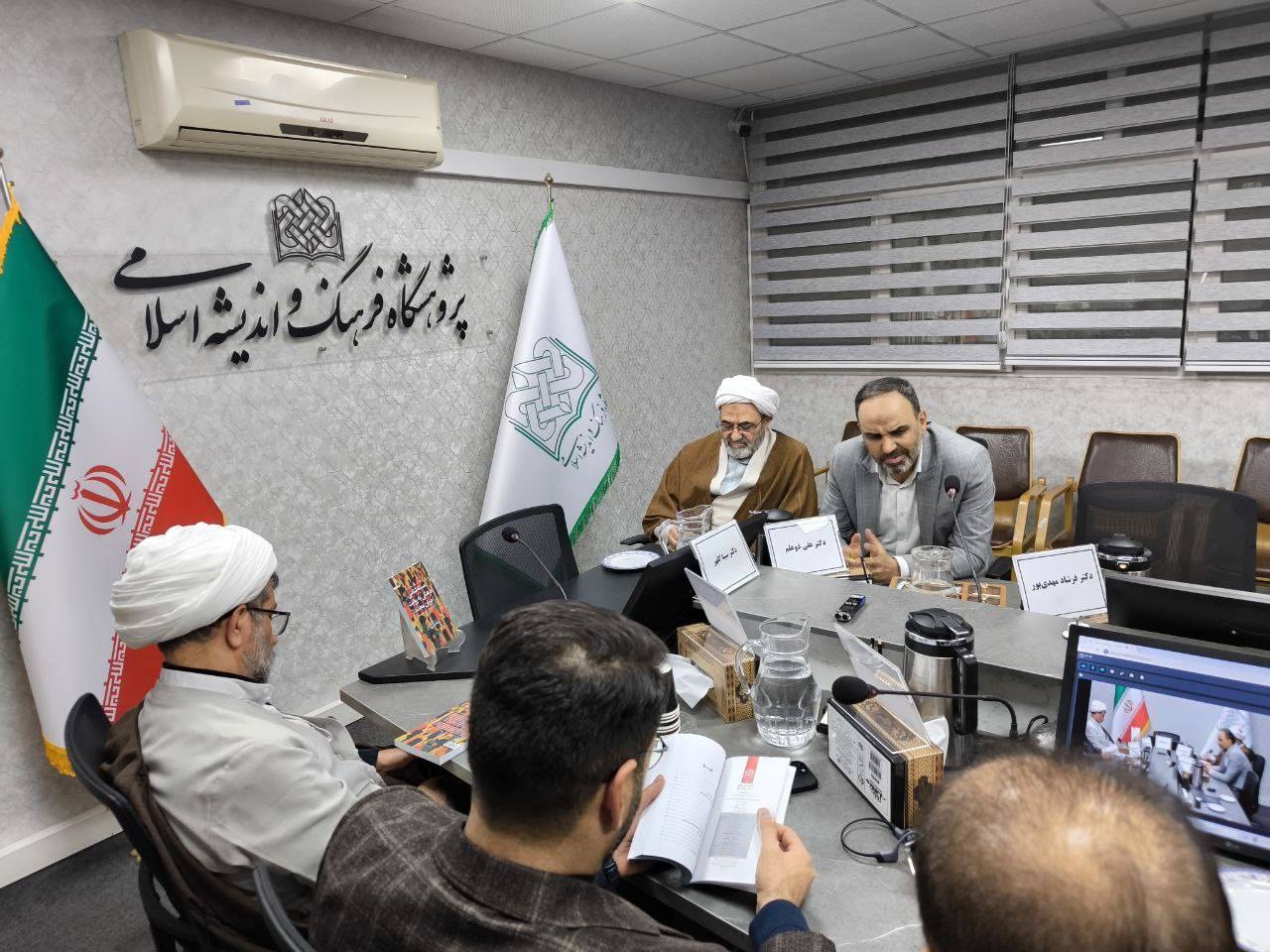
The Director-General of Public Libraries of Kurdistan, in an interview with an IBNA reporter, emphasized the cultural position of public libraries and said: “Kurdistan is a book-loving province but faces a lack of infrastructure. The development of library services requires more serious attention and sustained support. In the province, 10 cities lack libraries, and only 17 villages have access to libraries, a gap that requires immediate action.”
Masoumeh Hassani Khonsar added: “Kurdistan currently has 81 public libraries, and over one million books are housed in these collections. Approximately 50,000 active members are registered in the libraries, which indicates the province’s reading culture.”
She continued: “Over the past year, 9,800 cultural activities, including reading sessions, children’s programs, literary gatherings, and educational workshops, have been organized by the Public Libraries Institution in the province.”
According to the Director-General of Public Libraries of Kurdistan, the redesign and improvement of several libraries in Sanandaj and some villages are underway, and the unfinished projects of Dehgolan and Balbanabad require further budget allocation. The Saqqez mobile library will begin its activities by the end of Aban (mid-November) and has been designed based on the needs of underserved areas.
Hassani Khonsar added: “A significant portion of the province’s book resources has been provided through donations from people and supporting organizations, and 9,000 volumes of books have also been purchased by the Public Libraries Institution. Additionally, to support local authors, a collection of their works has been purchased and distributed in libraries. Over 6,000 audiobook titles are available for the visually impaired, and efforts are being made to expand specialized services in this section.”
The statements of the Director-General of Public Libraries of Kurdistan offer a clear picture of the current reality of this cultural institution; a reality that is a combination of significant achievements and persistent challenges. Statistics show that Kurdistan has taken important steps in recent years towards strengthening cultural activities; from recording thousands of cultural events to increasing the number of library members, developing services for children and the visually impaired, and initiating projects like the Saqqez mobile library, which can improve the quality of access to books in underserved areas.
However, the lack of infrastructure still casts its shadow over the province’s cultural development path. The existence of cities that are still deprived of the blessing of a public library, libraries that require renovation and modernization, and unfinished projects that need a sustainable budget, indicates that the gap between the people’s enthusiasm for reading and the infrastructure’s ability to meet this enthusiasm has not yet been bridged.
In summary, as inferred from Hassani Khonsar’s remarks, Kurdistan’s public libraries today need more support and attention than ever before; support that, if provided, can transform these cultural institutions into an engine for the province’s cultural development. Now that Book Week has arrived, it is essential to remember that investing in libraries is not merely supporting a building or a collection of books; rather, it is an investment in the intellectual, social, and cultural future of the people of Kurdistan.