We must think about the economy of the book sector / Allocation of special subsidies for the Qom Book Fair

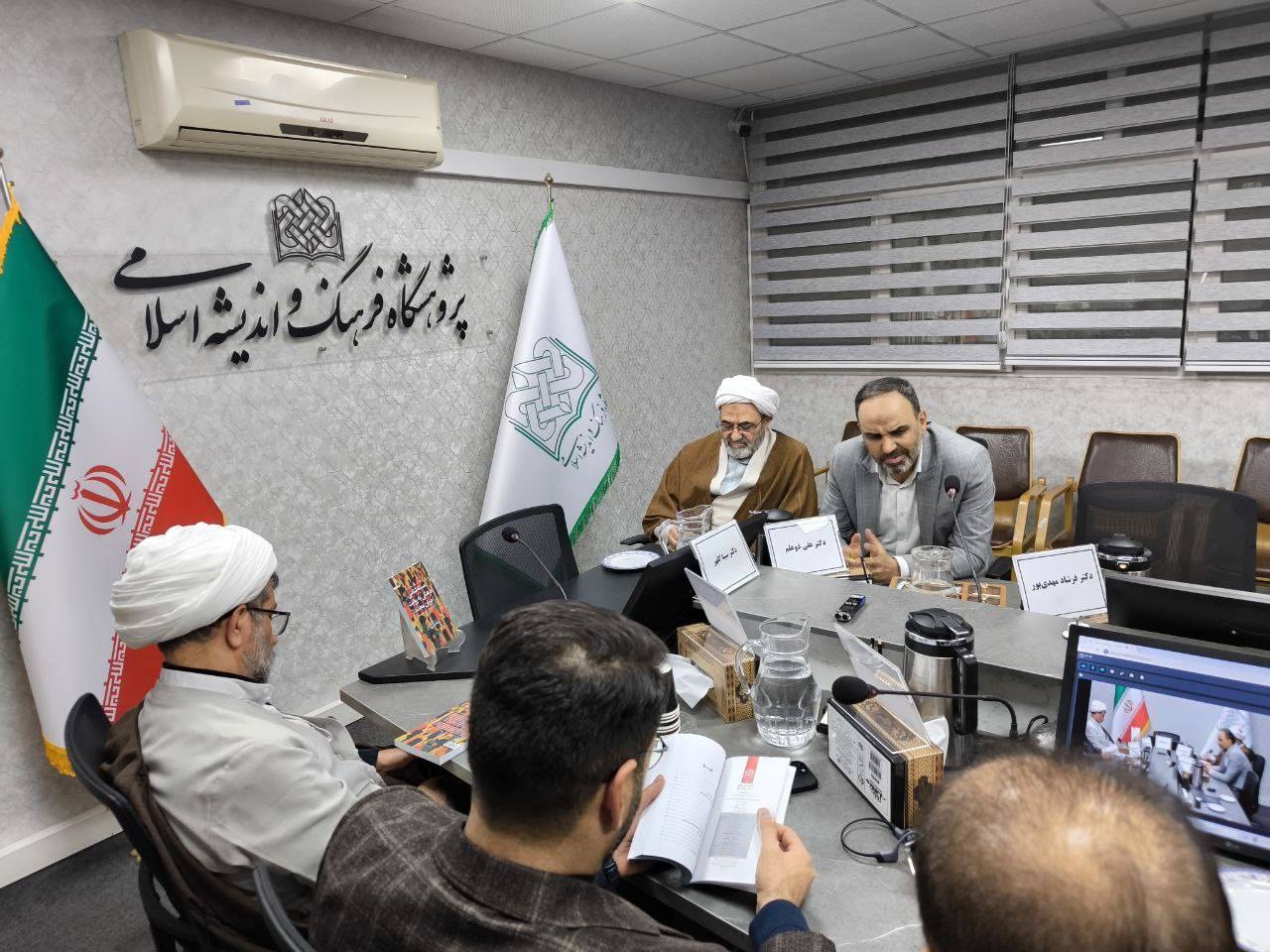
According to the reporter of Iran’s Book News Agency (IBNA) in Qom, Mohsen Javadi, on the second day of Book Week, at a meeting to review issues in the publishing and book sector in Qom, held at Shahid Avini Hall of the General Directorate of Culture and Islamic Guidance, pointed to the decline in non-curricular studies and said: “A part of the country’s cultural capacities has been neglected, and we must use all efforts to solve them so that all capacities become active.”
He added, stating that the country has 7 to 8 thousand public libraries: “We must think about the economy of the book sector, and planning is underway to create new spaces in the book economy.”
Javadi emphasized: “The tax and insurance problems of booksellers are serious challenges, and it is essential for the Ministries of Industry and Economy to provide a new definition for taxation in this field. Inter-agency efforts have been made in this regard, and necessary follow-ups are being carried out.”
This official, referring to the economic problems of publishers and efforts to resolve them, reminded: “Book purchases and settlement of publishers’ outstanding payments will be made soon.”
He also stated, referring to the important and numerous capacities of Qom province in the book sector and the demands of its cultural figures: “The Ministry of Guidance is ready to allocate a special subsidy for the Qom Book Fair.”
In another part of this meeting, Javadi announced the ministry’s plans for equipping public libraries and said: “Strengthening specialized libraries and resolving export system issues are among the programs on the agenda.”
The Deputy of Cultural Affairs of the Ministry of Culture and Islamic Guidance, at the end, emphasized the stabilization of paper prices and its provision for publishers, stating: “There are problems regarding the allocation of government paper, which are being resolved, and I hope we can allocate paper to publishers sooner in the near future.”
Providing paper is still one of the most important concerns of publishers
Mohammad Reza Soghandi, Director General of Culture and Islamic Guidance of Qom, referring to Qom’s prominent position in publishing and cultural activities, emphasized: “Publishing is a multi-layered and extensive process that plays a role at international, national, and provincial levels.”
The Director General of Culture and Islamic Guidance of Qom pointed to existing problems and said: “Providing paper is still one of the most important concerns of publishers. Furthermore, there are complaints about the conditions of offset and digital printing, and non-observance of intellectual property.”
He added: “The expectation of Qom publishers is that the share of this province in the process of reviewing books and specialized opinions should be more effectively considered.”
The Director General of Culture and Islamic Guidance of Qom reminded: “With the support of the Ministry of Culture and Islamic Guidance, Qom should be paid attention to as the ‘World City of Books’ to enhance the productivity and volume of cultural productions in this province more than ever before.”
Book is one of the most important areas of progress in Qom province
Hossein Mahmoudi, Deputy for Cultural Affairs and Pilgrimage of Qom Governorate, also emphasized the necessity of special attention to publishing in Qom at this meeting and said: “Book is one of the most important areas of progress in the province, and the Governorate is seriously pursuing this field.”
He referred to Qom’s geographical location and the passage of 17 provinces through this axis, the extensive reception of pilgrims during Arbaeen, and the presence of Hazrat Masoumeh (PBUH), considering these capacities as an important backing for enhancing written productions.
The Deputy Governor of Qom added: “Qom, as the capital of Shiite thought, has high potential in publishing and has ranked first in book production in the country in recent years. The province is ready to cooperate in terms of land, facilities, and utilizing national capacities to support publishers.”