John Russell Taylor, Hitchcock Biographer, Dies
In the late 1950s, John Russell Taylor called Pinter “the greatest” playwright of England’s New Wave; a generation of writers who transformed British theater with their revolutionary styles.
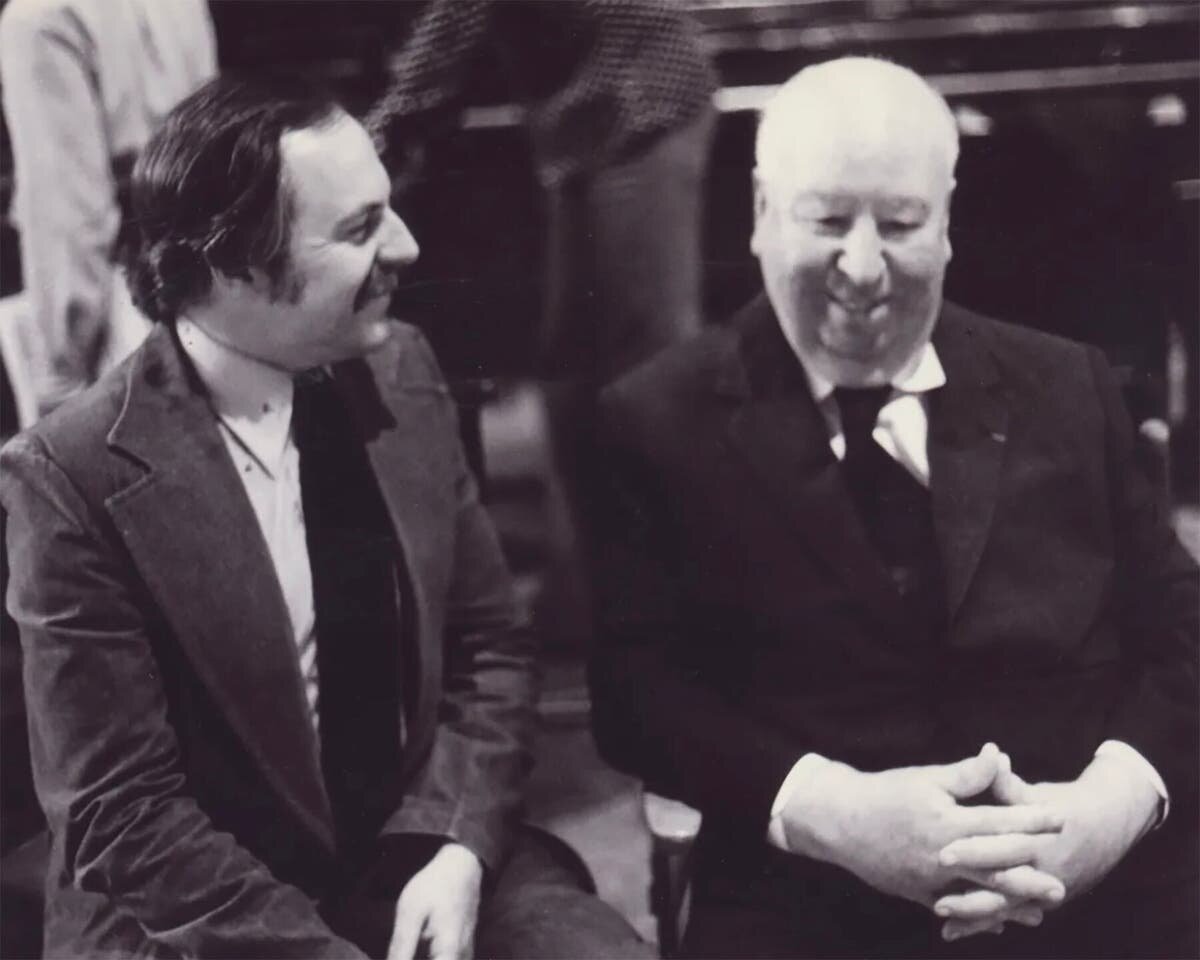
In the 1970s, while Taylor was working as a reporter for The Times of London in Los Angeles, he befriended Alfred Hitchcock through their shared interest in English candies. Gaining Hitchcock’s trust, he wrote the director’s only authorized biography—one of dozens of popular books he published about enigmatic figures in the art world.
Among his lasting memories was writing a passionate review for The Times about the great actress Bette Davis; so admiring that Davis herself called him and said, “I want to come to the newspaper office to kiss you.”
Taylor, an acclaimed writer and critic, had a body of work that encompassed theater, painting, fashion, and cinema. He lived in London and Wales. His death was first reported in British newspapers, including The Times of London, without further details.
He spent a significant portion of his more than fifty-year career at The Times, serving as its art critic from 1978 to 2005. He also wrote articles for The New York Times and The Los Angeles Times and taught cinema at the University of Southern California and other institutions.
Collaboration with Alfred Hitchcock
One of his first books, Cinema Eye, Cinema Ear (1964), referred to Hitchcock as one of the great auteurs alongside Federico Fellini, Michelangelo Antonioni, and Ingmar Bergman—a bold view at a time when Hollywood directors were usually seen merely as commercial technicians, not artists on par with great writers.
His most famous book, Hitch: The Life and Times of Alfred Hitchcock (1978), was the culmination of a lifelong fascination with the British-born director and “master of suspense.” Although Hitchcock was nominated five times for the Best Director Oscar, he never won the award.
Taylor was first captivated and simultaneously frightened as a child by Hitchcock’s film adaptation of Daphne du Maurier’s novel Jamaica Inn (1939). Later, he met Hitchcock during the making of the film Frenzy (1972) and was allowed to be on set for his final film, Family Plot (1976).
According to him, their shared interest in English sweets helped him gain Hitchcock’s trust. Hitchcock found in him a companion who “had no political agenda or personal motive.” The two had lunch almost every week; a simple meal of minced meat and mashed potatoes, accompanied by a glass of water. Eventually, Hitchcock allowed him to write his official biography.
Other Works and Literary Legacy
Taylor wrote about 40 books, including biographies of actors Ingrid Bergman, Alec Guinness, Vivien Leigh, Elizabeth Taylor, and Orson Welles, as well as the book Strangers in Paradise: Hollywood Exiles 1933–1950 (1983) about European refugee filmmakers during the Nazi era.
He also wrote books about artists like Claude Monet and playwrights like Peter Shaffer, David Storey, and Harold Pinter.
In 2012, the films Hitchcock (starring Anthony Hopkins) and The Girl portrayed a dark side of the director. Taylor stood against this portrayal and defended Hitchcock. He said Tippi Hedren, actress in The Birds (1963) and Marnie (1964), later changed her narrative to make her relationship with Hitchcock seem more controversial. In a 2024 interview, he stated: “Hitch was no angel, but I’m upset about what Tippi has done to tarnish his character.”





