We are ready to deliver books to nomadic and remote areas.

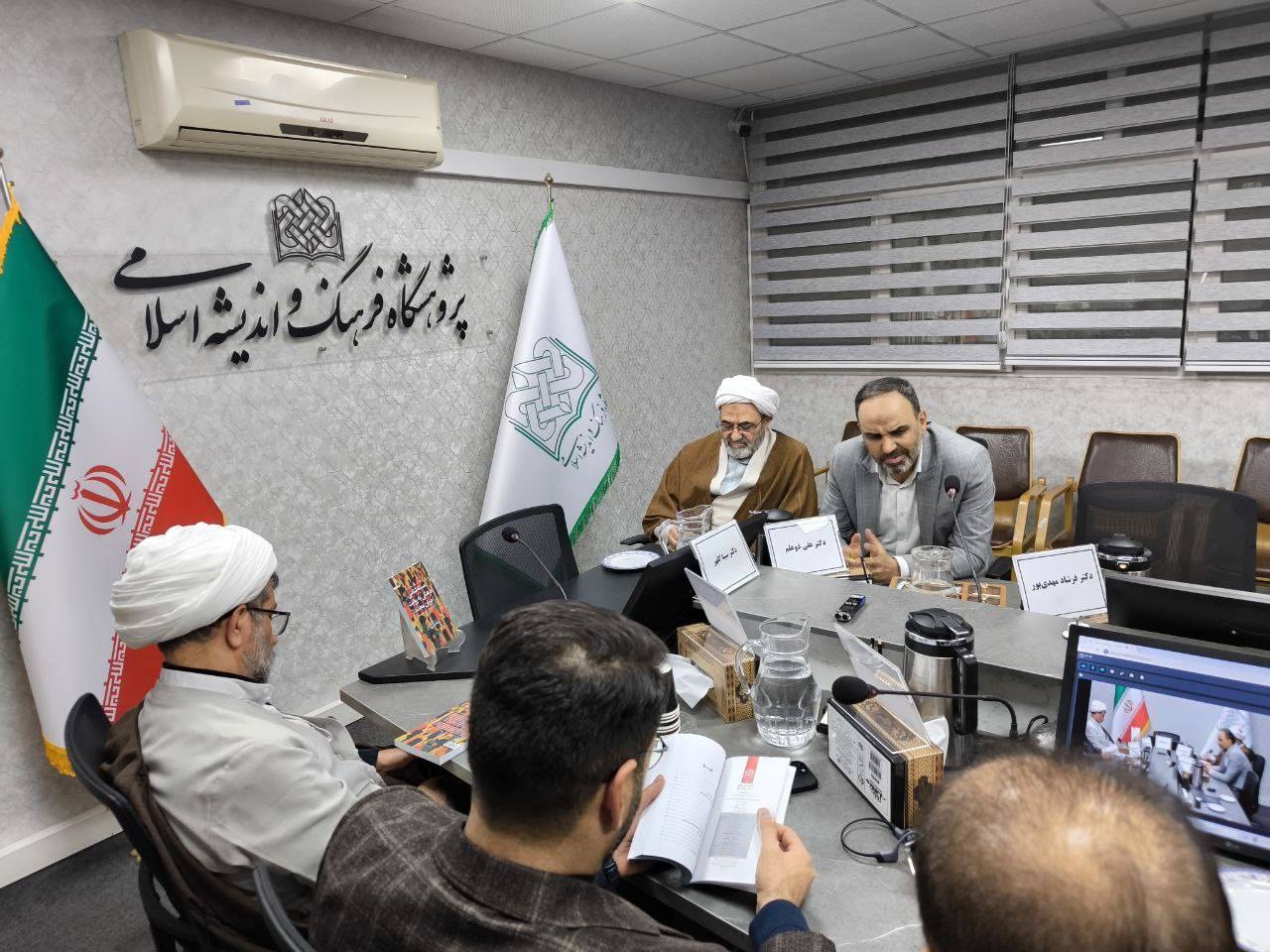
According to the correspondent of Iran Book News Agency (IBNA) in Shahrekord, Brigadier General Ali Afzali, in a meeting with the Director-General of Public Libraries of Chaharmahal and Bakhtiari, emphasized the necessity of synergy between cultural and military institutions to promote reading culture, review educational content, and utilize the capacities of the Martyrs’ Congress.
He considered cultural concerns among the system’s priorities and stated: Authoring valuable books is one of the main missions of the Martyrs’ Congresses. If this path is smoothed, books can reach audiences in deprived and impassable areas.
Brigadier General Afzali, referring to the extensive capacities of the Basij, announced the full readiness of resistance areas, Basij sectors, and think tanks to cooperate in the production and promotion of valuable books, adding: The directive from the Representative of the Supreme Leader in the IRGC regarding the activation of the reading movement indicates the national importance of this issue.
He also announced the IRGC’s readiness to provide mobile vehicles for delivering books to nomadic and remote areas and said: If this cultural movement is welcomed, it can be implemented operationally at the provincial level.
Furthermore, Parvaneh Arzanesh, Head of the General Department of Public Libraries of Chaharmahal and Bakhtiari, pointed to the existing gap in the cultural utilization of the Martyrs’ Congress outputs, stating: Valuable articles and books are produced during the congresses, but their promotional status is unclear, and the target audience is undefined. This is one of the overlooked points that needs to be planned for.
She suggested that provincial institutions and organizations be named after local martyrs, and biographies or wills of those martyrs, in accordance with territorial planning, be promoted through reading competitions among employees and their families. This action can also be implemented in schools; each school can be named after a martyr, and the relevant book about that martyr can be included in educational programs. In this way, books will move from shelves into the hearts of students.
At the end of this meeting, both sides emphasized the necessity of drafting a joint memorandum of understanding to implement cultural, educational, and promotional projects at the provincial level, thereby taking an effective step towards enhancing reading culture, promoting the values of the Sacred Defense, and strengthening the bond between the young generation and the ideals of the martyrs.